Description
Payena maingayi is a notable evergreen tree belonging to the Sapotaceae family. Historically, this plant has gained recognition as a significant producer of Gutta-percha, a natural latex with distinctive properties that differentiate it from rubber, particularly its plasticity and resistance to electrical currents.
The native distribution of this species is centered in the tropical rain forests of Southeast Asia, including Malaysia and parts of Indonesia. It thrives in lowland regions where high rainfall and consistent temperatures create the ideal environment for the synthesis of latex within the tree's vascular system.
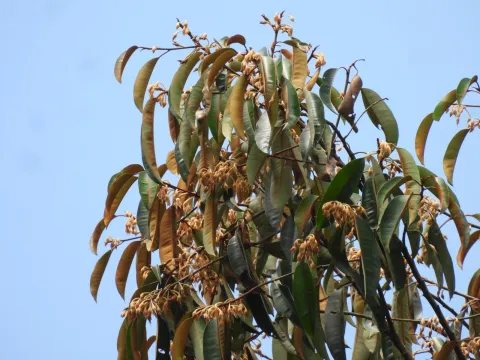
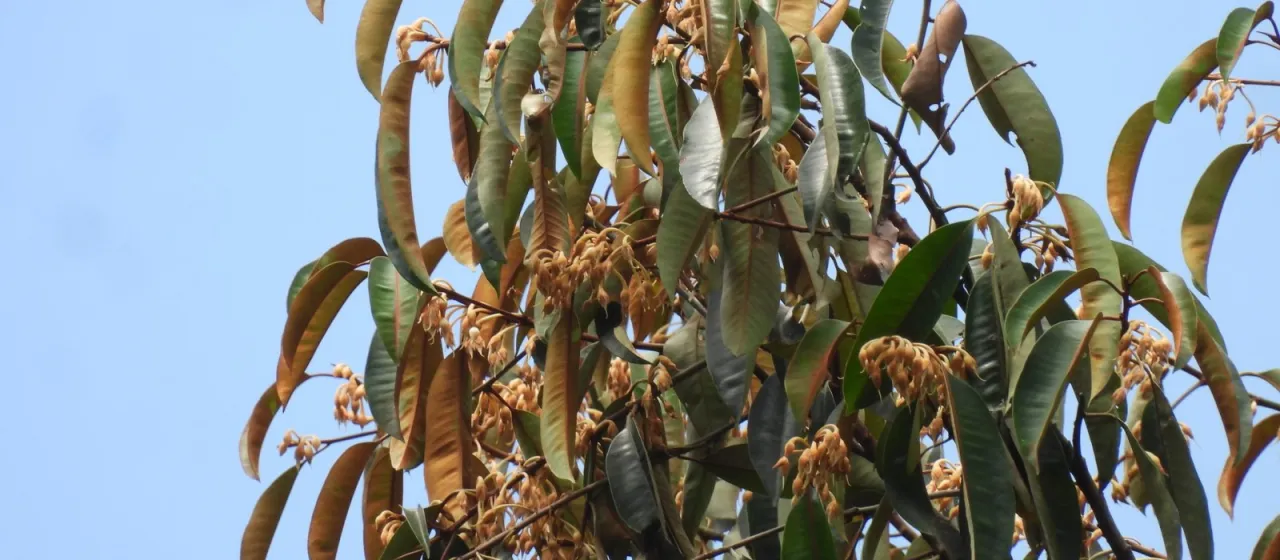
Botanically, the tree exhibits dense foliage and specialized laticiferous cells. Growth is generally slow, necessitating careful management of the tree's health and development during its formative years. In professional cultivation, particular attention is paid to the harvest cycles to ensure sustainable latex extraction without damaging the tree structure.
Successful cultivation requires a humid tropical climate with minimal seasonal temperature variation. The soil profile should be deep, well-draining, and rich in organic matter. As an agricultural crop, it demands protection from specific tropical pests, such as wood-boring insects and fungal diseases that typically affect Sapotaceae in moist habitats.
The main commercial utilization of Payena maingayi lies in the collection of its sap, which solidifies into Gutta-percha. This material has been traditionally used in submarine cable insulation, dentistry, and the manufacture of various industrial components. Beyond the sap, the timber is recognized for its durability and is utilized in local construction projects.
- Family: Sapotaceae
- Native range: Southeast Asia
- Primary product: Gutta-percha
- Climate requirement: Tropical rainforest
- Industrial use: Electrical insulation, dentistry
Photo gallery