Pectis elongata
Pectis elongata Kunth
Description
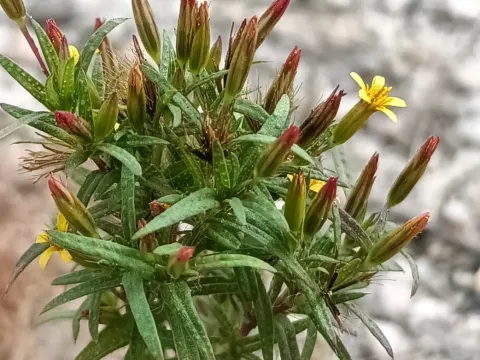
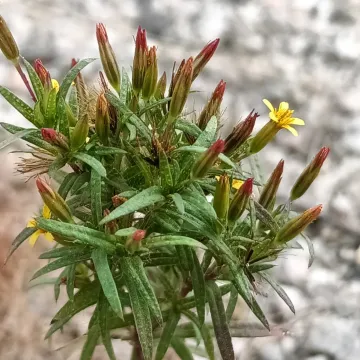
Pectis elongata is an annual herbaceous plant belonging to the Asteraceae family. Known for its intense citrus-like scent, this species is highly valued in the aromatic plant industry. The plant exhibits a branched growth habit, with slender, glandular leaves that house the volatile oils responsible for its characteristic aroma, making it a promising candidate for specialty essential oil production.
The plant originates from the tropical and subtropical regions of Central and South America, as well as the Caribbean. It is naturally adapted to environments that experience distinct seasonal cycles, allowing it to thrive in warm climates with abundant sunlight. Due to these natural origins, it performs best in regions where high temperatures and consistent daylight are present throughout the growing season.
Botanically, Pectis elongata features distinct glandular dots on its foliage, which are essential for identifying the plant and estimating its oil potential. The flowers are arranged in small, typical aster-like heads. During its life cycle, the plant focuses its energy on developing dense vegetative growth, which contains the highest concentration of phytochemicals and secondary metabolites before the flowering stage begins.
Cultivation requirements for this species are relatively specific, as it demands well-drained, sandy or loamy soils to prevent root rot. It is sensitive to waterlogging and shade, preferring full sun exposure to maximize oil synthesis. In terms of agronomy, it is crucial to sow the seeds only after the risk of frost has passed, as the plant is highly sensitive to cold temperatures during its early growth phases.
The primary economic uses of this crop include:
- Extraction of high-quality essential oils with citrus fragrance.
- Use in the food industry as a flavoring agent.
- Application in traditional herbal medicine for anti-inflammatory properties.
- Potential for sustainable cultivation in tropical farming systems.
Management of diseases and pests is a key aspect of its cultivation. Fungal infections can occur if the soil remains excessively moist, which is why proper spacing and irrigation management are vital. Typical pests such as aphids or spider mites can affect the leaves, necessitating preventative monitoring. Implementing good agricultural practices ensures the longevity and quality of the harvest in a professional farming environment.
Photo gallery