Description
Pectis prostrata Cav., commonly known as spreading glandweed, is a herbaceous annual plant belonging to the Asteraceae family. It is recognized for its unique glandular foliage, which produces essential oils with distinct chemical properties. While it is primarily a wild species, its potential as a specialized crop for aromatic extract production has garnered interest in specific agricultural sectors.
The plant originates from the tropical and subtropical regions of the Americas, spanning from the southern United States through Mexico and into South America. It thrives in open, disturbed areas where it can capture maximum solar radiation. Its native distribution highlights its preference for warm climates and its ability to withstand temporary drought conditions during the growing cycle.
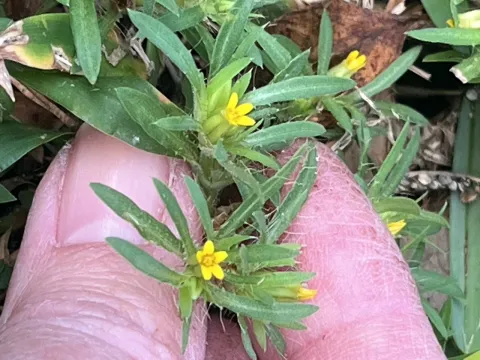
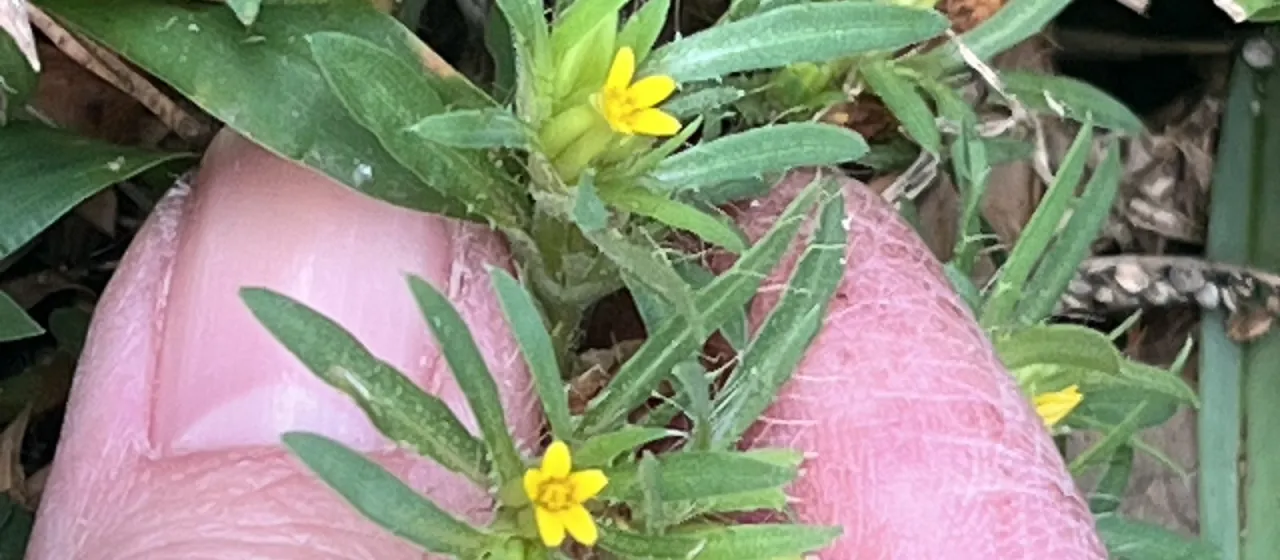
Botanically, Pectis prostrata is characterized by its prostrate or spreading growth habit, enabling it to act as a living mulch in certain environments. The leaves are small, narrow, and dotted with translucent oil glands that serve as a chemical defense mechanism against herbivores. The plant produces small, yellow, terminal flower heads, which are typical for the Pectis genus and attract various pollinators.
Cultivation of this plant requires well-drained, sandy-textured soils that prevent waterlogging. It is highly intolerant of shade, necessitating open-field conditions for optimal development. Proper agronomic management includes early-stage weed control and precise irrigation scheduling. Excessive moisture in the root zone must be avoided, as it is a common precursor to root rot diseases which significantly reduce crop yields.
The primary economic use of Pectis prostrata lies in the extraction of its aromatic oils, which are evaluated for their antimicrobial and insecticidal applications. Additionally, some agricultural practices utilize the plant as a minor forage component or as a medicinal herb in local systems. Farmers should monitor for typical pests such as aphids and leaf miners, which may affect foliage quality and reduce the overall oil content of the harvest.
Photo gallery