Description
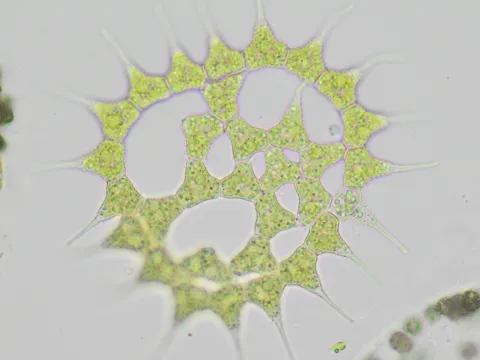
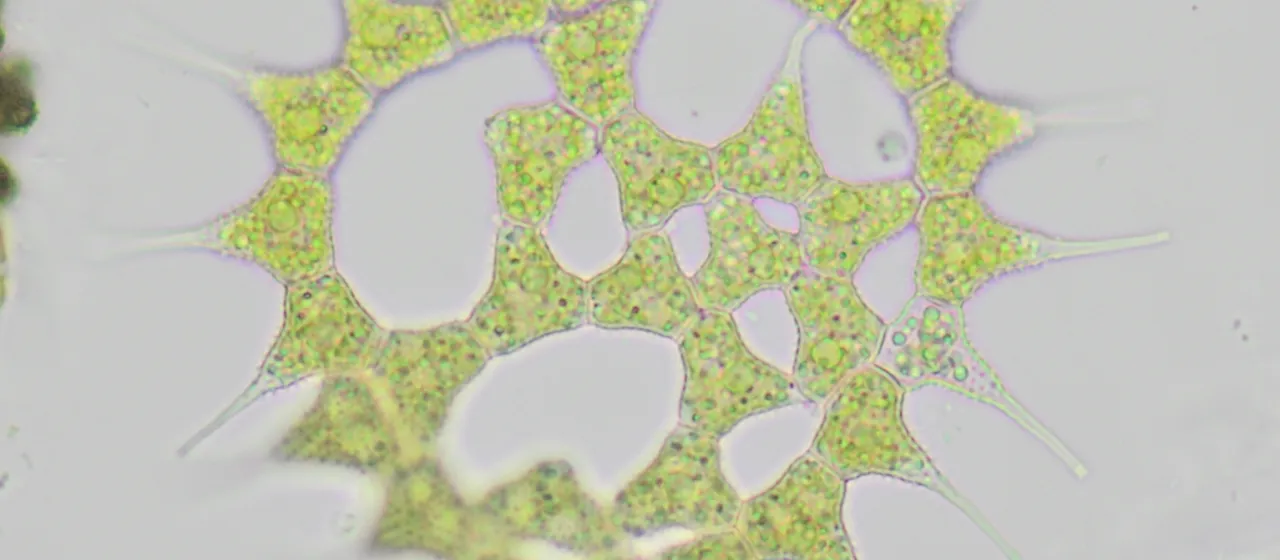
Pediastrum simplex is a species of freshwater green microalgae belonging to the family Hydrodictyaceae. This organism is highly valued in the field of phycology for its unique coenobial structure, consisting of a single central cell surrounded by a ring of cells with distinct radial extensions.
The species is globally distributed in various freshwater habitats, including ponds, lakes, and slow-moving rivers. In aquaculture and biotechnology, it is cultivated for its rapid growth rate and high nutritional value for primary consumers. It thrives in temperate climates where light penetration and nutrient availability are optimal.
From a biological perspective, Pediastrum simplex is defined by its colonial growth habit. Each colony acts as a single physiological unit, making it an excellent model for studying cellular communication and algae reproduction. Its cell wall composition is primarily cellulose, contributing to its resilience in varying environmental conditions.
The primary agricultural and economic use of this species is within the aquaculture industry. It serves as a vital component of the food chain, specifically as a primary food source for rotifers and cladocerans, which are essential for fish farming success. Its ability to assimilate excess nutrients also makes it a subject of research for wastewater bioremediation.
Essential cultivation requirements include:
- A water temperature range between 18°C and 25°C.
- Adequate nitrogen and phosphorus levels for nutrient uptake.
- Continuous light exposure for 12–16 hours daily.
- Controlled aeration to prevent cell clumping and sedimentation.
Pests and diseases, such as fungal pathogens (e.g., Chytridiomycota) or viral infections, can severely impact industrial cultures. Effective management involves maintaining strict water quality standards, controlling pH levels, and employing filtration techniques to eliminate biological contaminants that compete with or feed on the algae population.
Photo gallery