Description
Pellia endiviifolia is a perennial thalloid liverwort belonging to the Pelliaceae family. Unlike traditional agricultural crops, this species is classified as a bryophyte, gaining significant popularity in specialized fields such as aquascaping, vivarium design, and ecological restoration of riparian zones.
The plant has a broad natural distribution across the temperate zones of the Northern Hemisphere. It is typically found in shaded, humid environments, often clinging to stones, stream banks, and seepages where the water is rich in calcium. Its presence is considered a biological indicator of clean, oxygenated, and mineral-rich water sources.
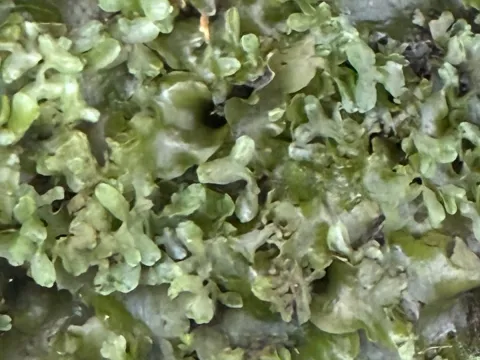
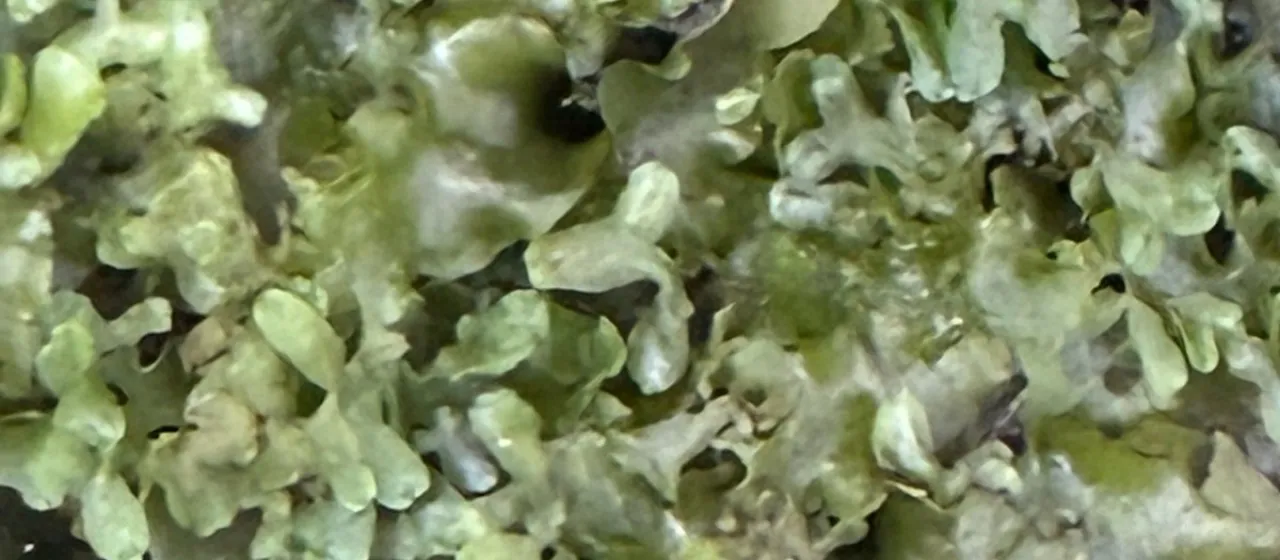
Botanically, the plant features a complex, branching thallus with distinct undulated margins. The thallus is characterized by a prominent central midrib, providing structural integrity. It attaches to surfaces using delicate rhizoids, which allow it to thrive in the spray zones of streams and waterfalls, forming dense, dark-green patches that can carpet rocky substrates.
Cultivation requirements involve maintaining high humidity and moderate lighting conditions. Unlike vascular plants, Pellia endiviifolia absorbs nutrients and moisture directly through its thallus surface. It prefers neutral to slightly alkaline water, making it sensitive to acidic environments. Proper aeration and flow are essential to prevent the accumulation of sediment on the thallus surface.
The primary horticultural application is in the aquarium industry, where it is utilized for foreground landscaping. Due to its slow growth, it remains a stable decorative element. Potential threats include:
- Overgrowth by filamentous algae.
- Fungal pathogens caused by poor water circulation.
- Desiccation due to low humidity in non-aquatic enclosures.
Photo gallery