Description
Pellia epiphylla is a species of thallose liverwort belonging to the Pelliaceae family. While not a conventional agricultural crop, it is highly valued in horticulture, specifically within aquascaping, terrarium design, and bryology research, where precise control over environmental conditions is required to maintain its health.
This species is native to temperate regions across the Northern Hemisphere, including Europe, Asia, and North America. It is commonly found in damp, shaded environments such as riverbanks, moist forest floors, and crevices in rocky outcrops. It thrives in habitats where humidity remains high throughout the year.
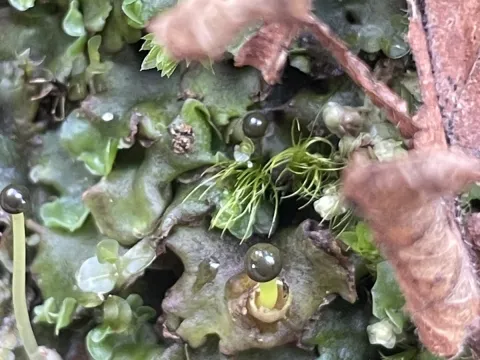
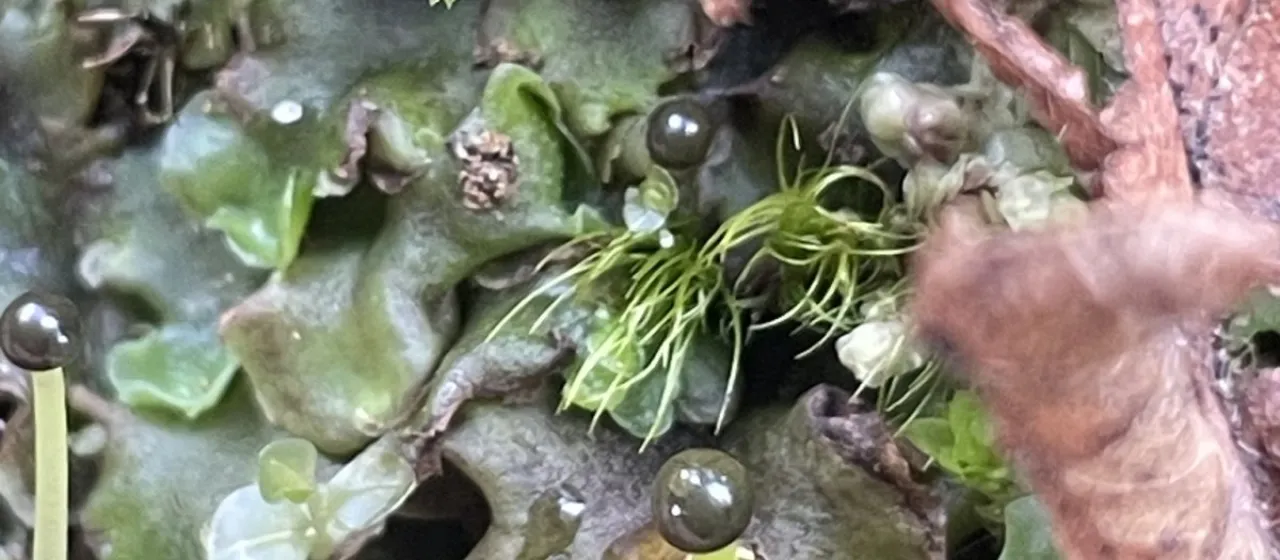
Botanically, Pellia epiphylla is characterized by a flattened, ribbon-like thallus that exhibits dichotomous branching. A distinct midrib runs through the center of the thallus, which serves as a site for the development of both male and female reproductive organs, as it is a monoecious species. The texture of the plant is fleshy and bright green, capable of rapid regeneration.
Successful cultivation of this liverwort requires specific abiotic conditions. The substrate must remain consistently moist but well-drained to prevent root rot in associated flora, and air humidity should be kept at high levels. Exposure to direct sunlight is detrimental, as it causes rapid desiccation of the thallus tissue. Growing media usually consist of peat-based mixes or specialized moss substrates.
- Temperature range: 15°C to 22°C.
- Lighting: Low to moderate, indirect light.
- Watering: Frequent misting with deionized or soft water.
- Substrate: Acidic to neutral, moisture-retentive organic matter.
The primary use for Pellia epiphylla lies in ecological restoration of micro-habitats and aesthetic landscaping in humid terrariums. Pests are rare, but the plant is susceptible to fungal pathogens if air circulation is insufficient or if stagnant water conditions lead to decay. Maintaining a clean environment and balanced light is the key to preventing most botanical issues.
Photo gallery