Description
The African wattle (Peltophorum africanum) is a deciduous tree belonging to the Fabaceae family. Renowned for its resilience and attractive yellow blossoms, it is a significant species in both ornamental gardening and agroforestry. The tree typically grows to a moderate height, making it an excellent candidate for managed landscapes and reforestation projects in arid regions.
Native to the savannas and bushveld of Southern and East Africa, this species is naturally adapted to survive long dry seasons and varying soil qualities. Its ability to fix nitrogen through root nodules makes it an ecologically valuable plant for improving soil structure. In its natural habitat, it serves as a critical food source for pollinators and local wildlife.
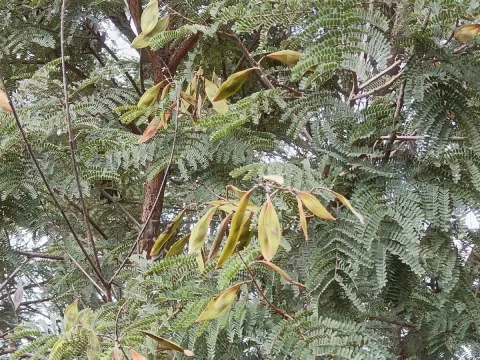
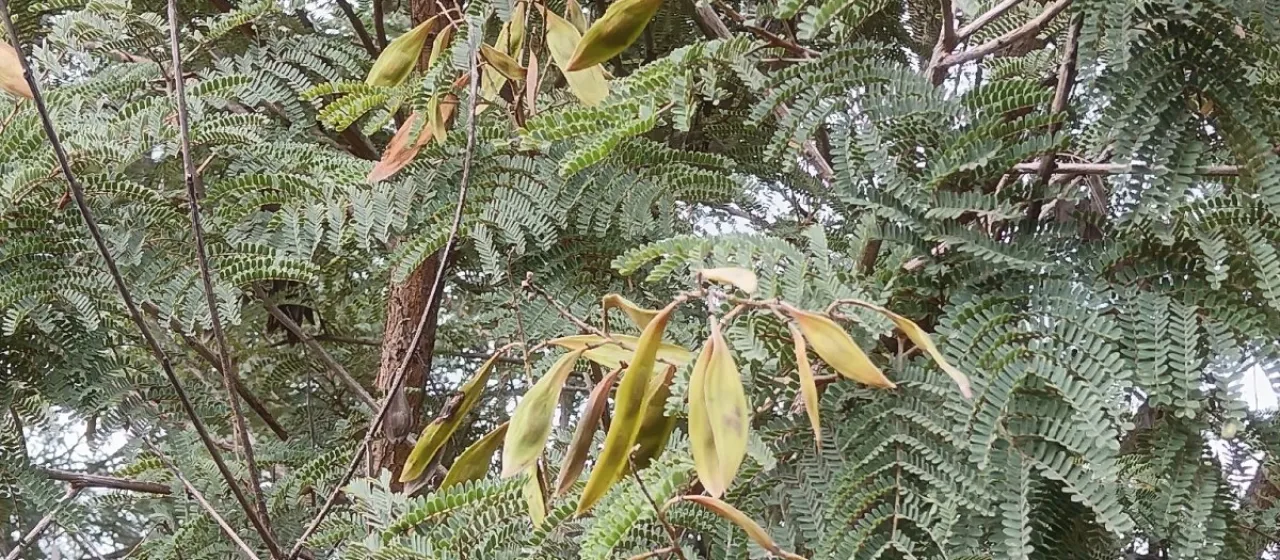
Botanically, the African wattle is distinguished by its bipinnate foliage, which provides a light, dappled shade. Its vibrant, yellow, fragrant flowers appear in spikes, usually during the warmest months of the year. The fruit consists of flat, woody, brown pods. The root system is deep and expansive, providing the tree with excellent stability against strong winds and environmental stress.
For optimal growth, the species requires full sun and well-drained soil. It is highly drought-tolerant once established, although young plants benefit from regular watering and protection from frost during their first few years. Pruning is recommended to maintain a desired shape and to ensure healthy growth during the juvenile stage of the plant's development.
Key areas of хозяйственного use include:
- Urban and residential landscaping for its high aesthetic value.
- Soil stabilization and land rehabilitation programs.
- The use of timber for small-scale woodworking and furniture making.
- Traditional medicinal applications of bark and root extracts.
The tree is generally robust but can occasionally be attacked by borers or defoliating caterpillars. Maintenance should involve monitoring for signs of infestation and ensuring proper drainage to prevent root diseases. With minimal but consistent care, the African wattle remains a long-lived and visually rewarding addition to any suitable agricultural or landscape setting.
Photo gallery