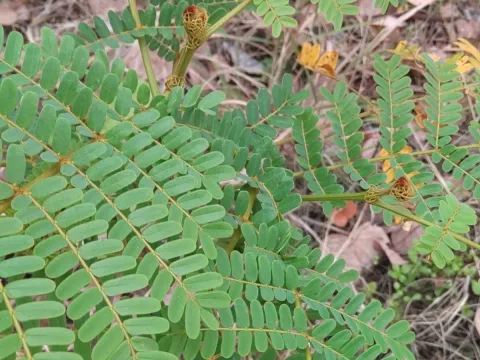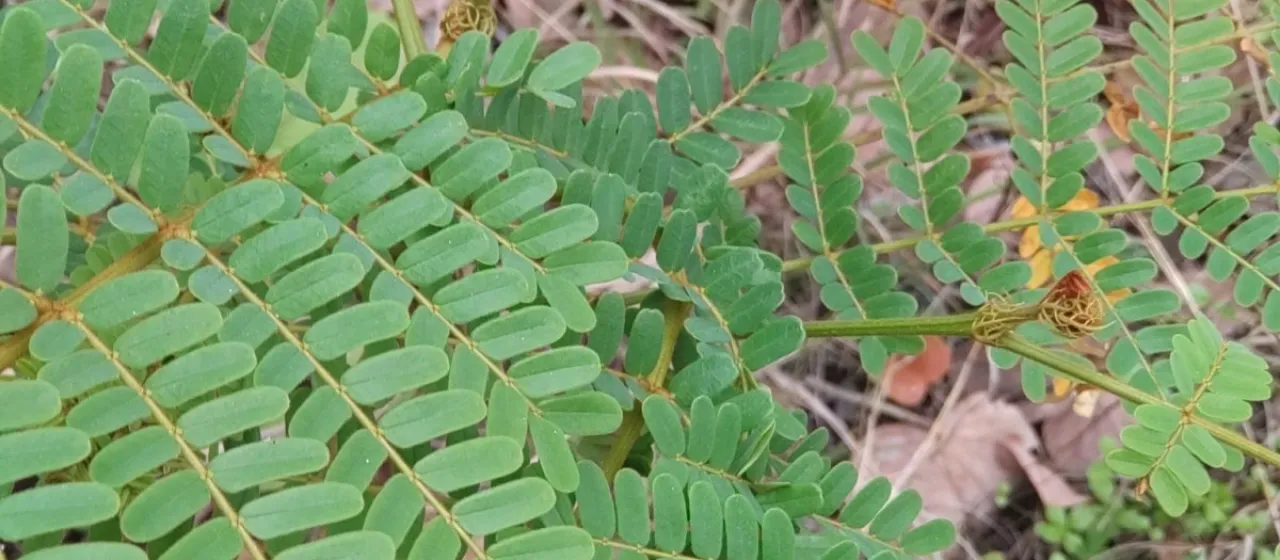
Description
Peltophorum dasyrhachis is a fast-growing, deciduous tree species belonging to the Fabaceae (legume) family. Renowned for its rapid biomass production and aesthetic appeal, this species plays a significant role in tropical agroforestry and environmental restoration projects across Southeast Asia.
The native range of this species extends across Thailand, Malaysia, Indonesia, and Vietnam. It thrives in humid tropical climates with distinct rainfall patterns. Due to its hardiness and adaptability to varying tropical soil types, it has become a staple species for reforestation programs aimed at restoring degraded tropical lands.
Botanically, the tree is characterized by bipinnate, feathery leaves and bright yellow, fragrant flowers that appear in large panicles. It can reach heights of up to 30 meters. A critical biological feature is its ability to fix atmospheric nitrogen into the soil, which enhances the overall nutrient profile of the plantation site and supports neighboring crops.
Agronomic management requires selecting sites with well-drained soil, as the species is sensitive to waterlogging. It is highly photophilous and demands full sun exposure to maximize growth rates. During the seedling stage, weed control is essential to prevent competition, while later stages require minimal intervention beyond occasional pruning for structural stability.
Key хозяйственное use cases include:
- Production of high-quality timber for local furniture and construction industries.
- Application in agroforestry systems as a shade provider for understory crops.
- Erosion control on slopes due to its extensive root architecture.
- Soil amendment practices in organic farming to increase nitrogen levels.
Common phytosanitary concerns involve fungal infections in roots under anaerobic soil conditions and attacks from leaf-eating insects. Sustainable plantation management involves maintaining adequate spacing between trees to ensure proper air circulation and implementing integrated pest management (IPM) to maintain tree health without excessive chemical usage.
Photo gallery