Description
Pennisetum incomptum is a perennial grass species belonging to the Poaceae family. As an agricultural and botanical subject, it is recognized for its hardiness and ability to thrive in diverse environments, making it a valuable resource in both sustainable farming practices and land reclamation efforts.
The plant originates from parts of Asia, where it is found in a variety of landscapes including temperate and subtropical regions. Its natural habitat is diverse, stretching from mountainous slopes to river plains, which reflects its high adaptive capacity to different thermal regimes and soil moisture conditions. This adaptability allows it to be cultivated successfully in several international regions.
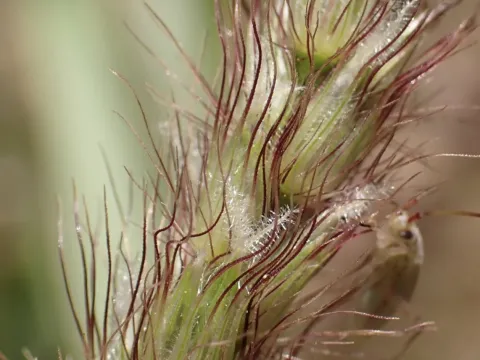
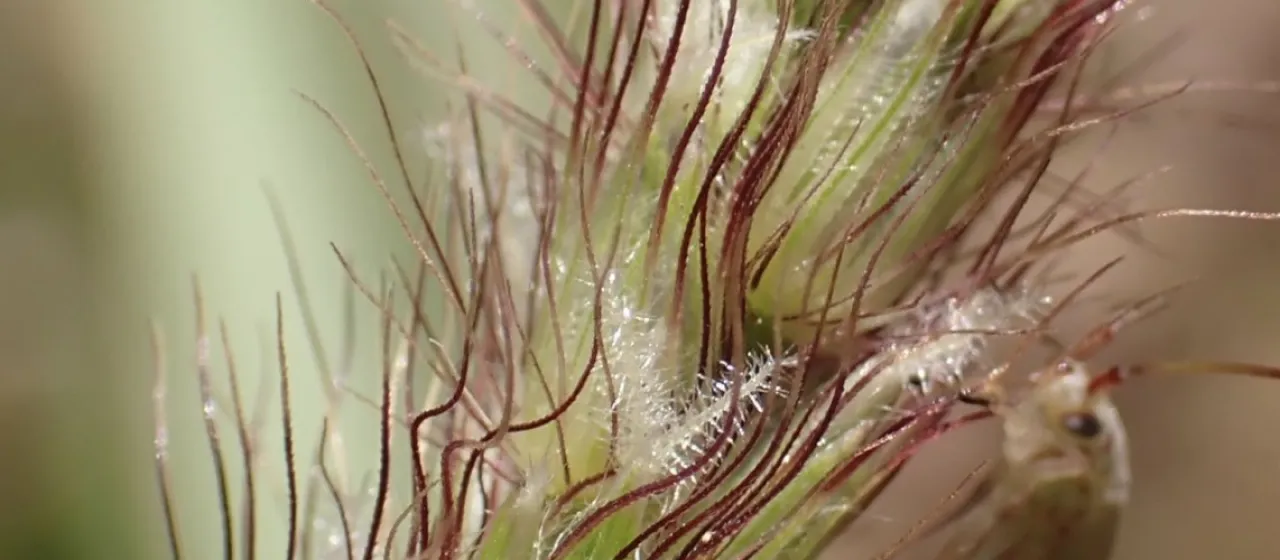
Botanically, Pennisetum incomptum is characterized by its tufted growth habit, narrow linear leaves, and distinctive bristly inflorescences that appear as dense spikes or panicles. The root system is robust and fibrous, facilitating both erosion control and efficient nutrient uptake. These features make it a structurally stable plant throughout the growing season.
Agronomic requirements for this crop focus on providing full sun exposure and well-drained soil conditions. While the plant is drought-tolerant once established, it requires sufficient moisture during the germination phase to ensure proper root development. Soil pH preferences are generally flexible, although the grass performs best in neutral to slightly acidic, fertile soils.
Key areas of agricultural and industrial use include:
- Forage production for livestock grazing and fodder collection.
- Soil stabilization and erosion control on vulnerable slopes.
- Ornamental use in landscaping and garden design projects.
- Potential use in biomass production for energy or organic mulch.
The crop is occasionally susceptible to common fungal pathogens such as rust and leaf spot diseases, typically appearing under high humidity conditions. Common insect pests include aphids and various beetle species that may target the foliage or seeds. Implementing effective crop management practices, such as proper spacing and regular monitoring, is essential for maintaining crop health and productivity.
Photo gallery