Description
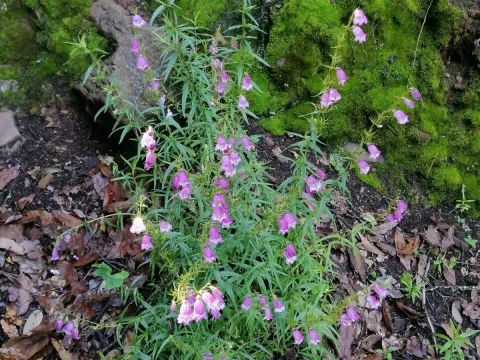
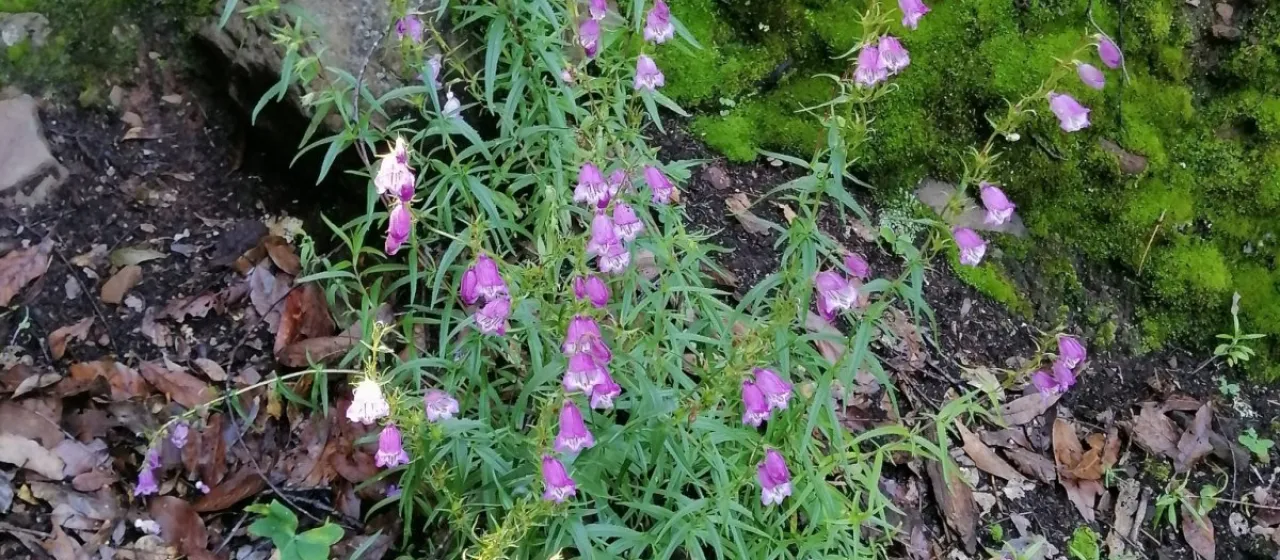
The Bellflower Penstemon (Penstemon campanulatus) is a striking herbaceous perennial plant belonging to the Plantaginaceae family. Originally native to the mountainous regions of Mexico and Guatemala, this species has been adapted for ornamental use in various temperate regions, requiring specific care to survive cooler winter temperatures.
Botanically, the plant is characterized by erect stems that grow up to 60 centimeters in height, featuring lanceolate, serrated leaves. The most distinct feature is its raceme-like inflorescence, composed of numerous bell-shaped flowers that range in color from soft pinks and purples to deep violet, providing a vivid display throughout the summer months.
Successful cultivation of this species necessitates well-drained, fertile soil, ideally with a neutral to slightly acidic pH. Given its sensitivity to waterlogging, it is essential to ensure that the planting site has excellent drainage, such as adding grit or coarse sand to heavier soils to prevent root rot during wet periods.
The agronomic management of Penstemon campanulatus focuses on full sun exposure to maximize flower production. Watering should be consistent but moderate, allowing the surface of the soil to dry out between applications. Regular pruning after the flowering phase is recommended to encourage healthy growth and prepare the plant for the dormancy period.
The primary use for this culture is in ornamental landscaping, particularly in borders, rock gardens, and mass plantings. Gardeners should remain vigilant against common pests and diseases:
- Root rot triggered by poor soil drainage;
- Spider mites in periods of intense heat and low humidity;
- Powdery mildew in overcrowded or poorly ventilated areas.
Photo gallery