Description
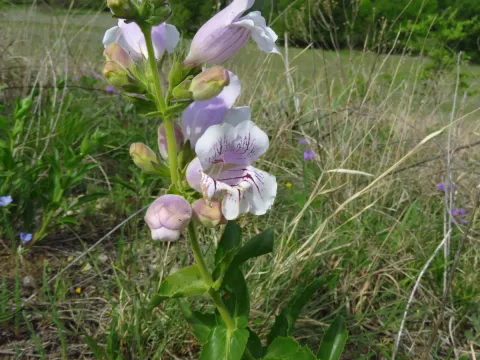
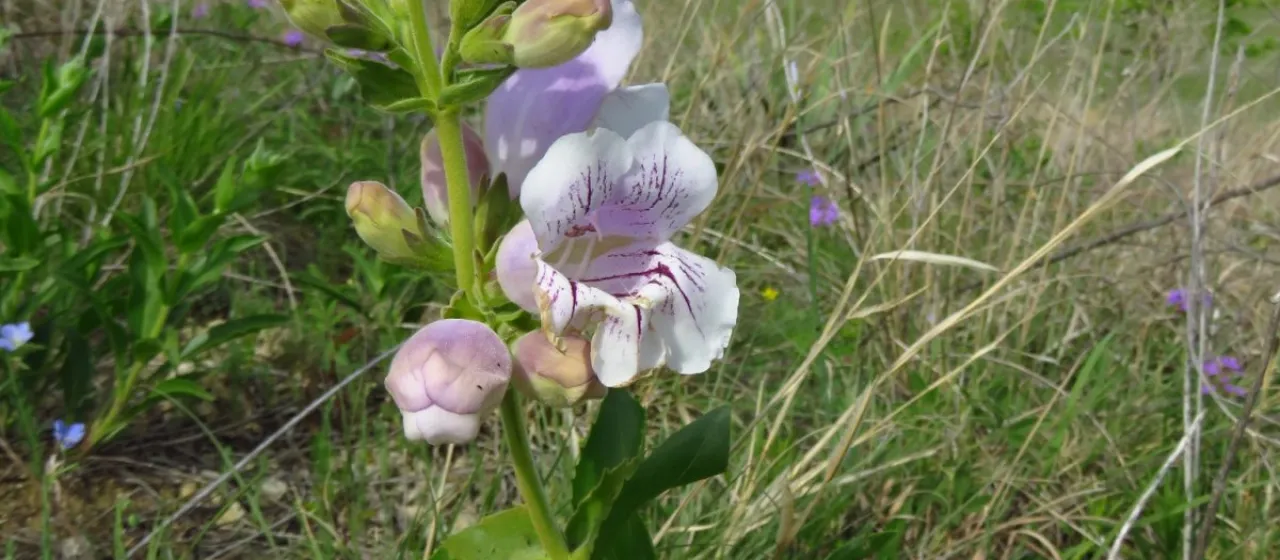
Penstemon cobaea, commonly known as the foxglove beardtongue, is a perennial herbaceous plant belonging to the Plantaginaceae family. This species is highly valued in horticulture and agricultural ornamental production for its unusually large, showy, bell-shaped flowers that bloom in clusters along sturdy stems.
The plant is native to the central United States, particularly within the prairies of Texas, Oklahoma, and Kansas. Due to its natural habitat, it has developed significant drought resistance, making it an excellent candidate for agricultural diversification in semi-arid regions where water conservation is a priority for land management.
Botanically, it typically grows between 40 and 80 cm in height. The foliage consists of lance-shaped, often serrated leaves that form a basal rosette before the flower stalks emerge. The flowers, which can measure up to 5 cm in length, range in color from white to deep lavender or purple, creating a striking visual impact during the peak flowering season.
Regarding soil and climate requirements, the plant thrives in well-draining, calcareous soils. It is intolerant of waterlogged conditions, which can lead to rapid root decay. Full sun exposure is essential for maintaining plant vigor and preventing the etiolation of the stems, ensuring the plant remains upright and healthy throughout its growth cycle.
Commercially, Penstemon cobaea is primarily used in landscaping and as a pollinator-friendly crop. When considering pest and disease management, growers must monitor for powdery mildew, which can occur during periods of high humidity. Keeping the planting site well-aerated is the most effective cultural practice to prevent common fungal issues and ensure longevity.
Photo gallery