Description
Pentanema helenioides is a perennial herbaceous plant belonging to the Asteraceae family. Known for its resilience and specific botanical traits, it serves as an interesting specimen both for botanical enthusiasts and in controlled cultivation environments. It is closely related to the genus Inula, sharing similar morphological characteristics.
The plant originates from the regions of Central and Southeastern Europe, naturally thriving in habitats characterized by dry, sunny exposures, such as rocky slopes and forest borders. This natural adaptation allows it to flourish in semi-arid conditions where other crops might struggle, making it a potentially valuable candidate for low-maintenance agricultural projects.
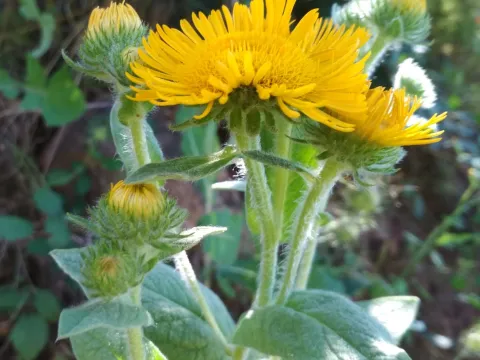
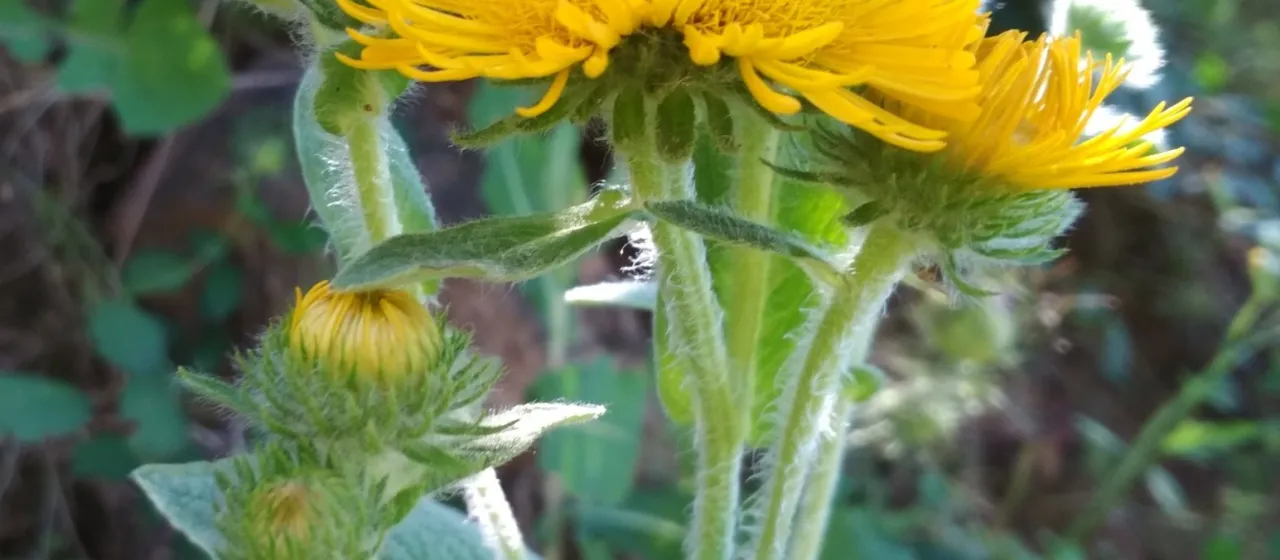
Botanically, Pentanema helenioides is defined by its upright stem, typically reaching 40–80 cm in height, and lanceolate, pubescent leaves. The yellow, daisy-like flower heads bloom mid-summer. A significant feature is its robust root system, which enables efficient nutrient uptake from the soil, providing the plant with the energy needed for vigorous growth and reproduction.
Agricultural requirements include well-drained, neutral or slightly alkaline soils. The species is highly drought-tolerant, meaning that irrigation should be limited to avoid root rot or fungal complications. Planting is best achieved via seeds in spring or by dividing established clumps in autumn. Providing adequate spacing is essential to ensure proper air circulation and to minimize the risk of mildew outbreaks.
In terms of хозяйственное usage, the plant is valued primarily as a decorative perennial in wildflower gardens and as a subject for phytochemical research. Its potential in the pharmaceutical industry due to secondary metabolites, such as essential oils and flavonoids, makes it an interesting crop for sustainable farming initiatives focused on natural botanical products.
- Excellent drought tolerance.
- Prefers direct sunlight.
- High resistance to most common pests.
- Long-lived perennial structure.
Photo gallery