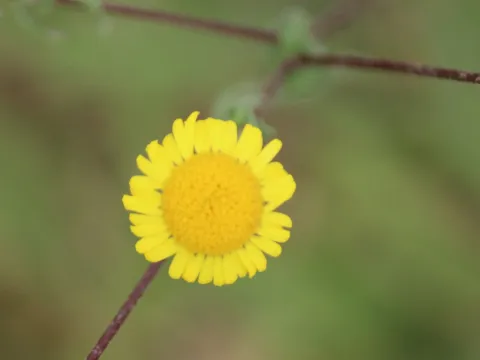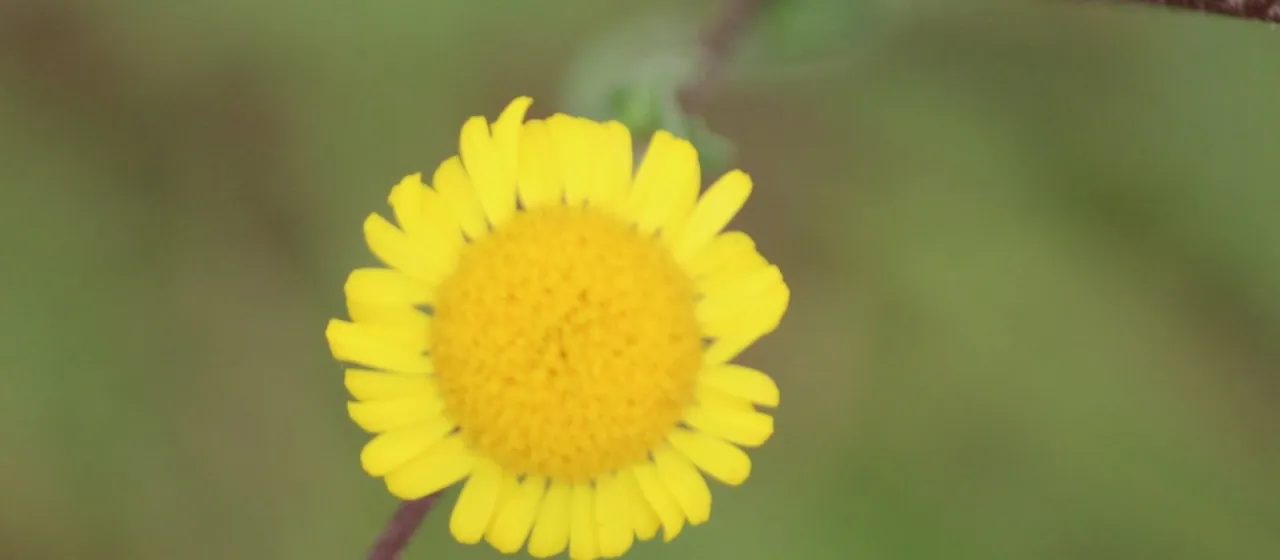
Description
Pentanema indicum, formerly categorized within the genus Inula, is a herbaceous plant belonging to the Asteraceae family. This species is recognized for its ecological resilience and is increasingly studied for its agricultural potential, particularly in regions where soil variability and moisture fluctuations are common.
Originating from the tropical and subtropical belts of Asia, Pentanema indicum is widely distributed across India, Southeast Asia, and parts of China. It typically thrives in open habitats, including wastelands and along agricultural borders. Its natural prevalence in diverse environments underlines its robust survival strategy and adaptability to various soil types.
The botanical structure is defined by glandular, pubescent stems and alternate, lanceolate leaves. The bright yellow flower heads are characteristic of the Asteraceae family, attracting various pollinators. The root system is significantly developed, allowing the plant to reach water reserves in deeper soil horizons, which serves as a vital adaptation during dry seasons.
Regarding cultivation, the plant prefers well-drained, nutrient-medium soils with a neutral pH. The agronomic cycle requires careful land preparation and precise sowing density to ensure adequate light exposure. Irrigation is primarily needed during the early growth stages, as the plant demonstrates remarkable drought tolerance once fully established in the field.
The economic value of this crop is primarily directed towards the pharmaceutical and herbal sectors. Its potential uses include:
- Development of anti-inflammatory extracts for medicinal use.
- Integration into sustainable agricultural systems for natural pest suppression.
- Utilization as a source of biomass for botanical extracts.
Common agricultural challenges involve leaf spot diseases and attacks by sucking insects, such as aphids, particularly during periods of low humidity. Integrated pest management (IPM), including crop rotation and the application of bio-insecticides, is recommended to maintain plant health and prevent the spread of fungal pathogens in intensive cultivation sites.
Photo gallery