Description
Peperomia alata is a perennial herbaceous plant belonging to the Piperaceae family. This ornamental species is highly regarded for its unique morphological features and is a common choice for indoor gardeners and botanical enthusiasts looking for low-maintenance tropical greenery.
The natural habitat of Peperomia alata is found in the tropical regions of Central and South America. In its native environment, the plant typically grows as an epiphyte or lithophyte, thriving in the filtered light and high humidity levels provided by dense forest ecosystems.
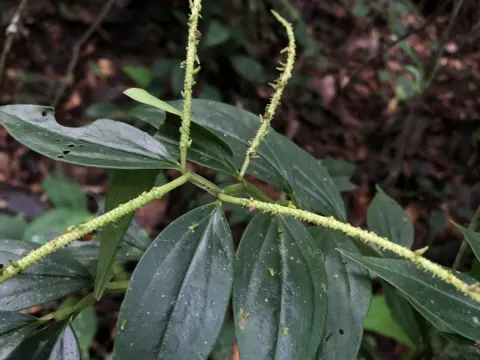
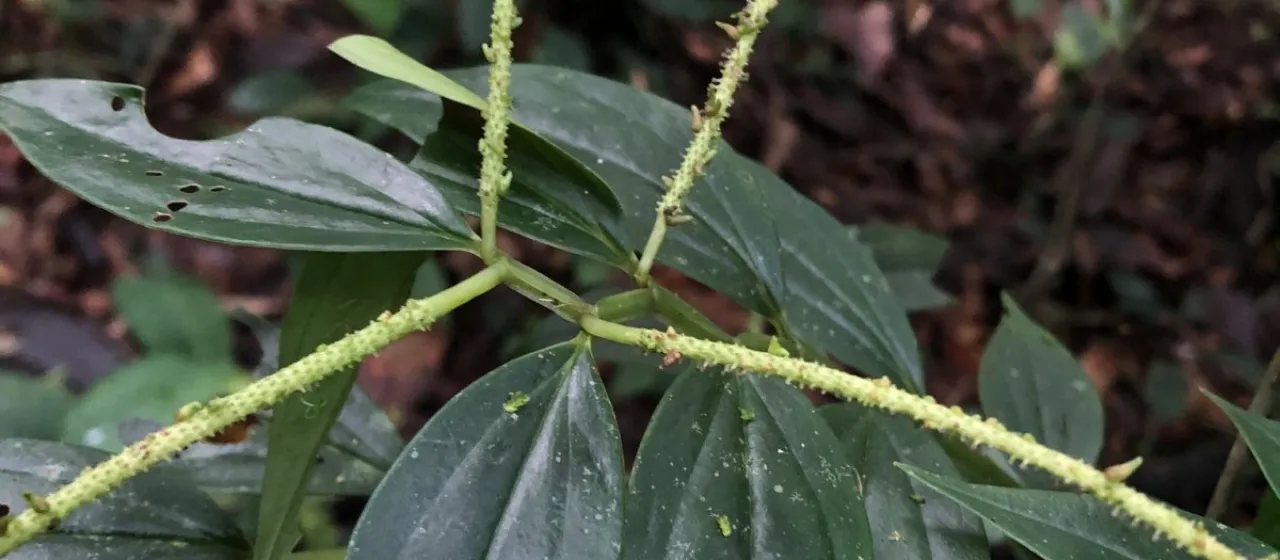
Botanically, the plant is distinguished by its succulent, fleshy stems featuring prominent ridges or "wings," which justify its specific epithet. The leaves are opposite, often deep green, and possess a smooth texture. While it produces thin, spike-like inflorescences typical of the genus, its primary attraction remains the architectural form of its foliage and stem structure.
For successful cultivation, Peperomia alata requires a well-draining, porous substrate that prevents water stagnation. It prefers bright, indirect sunlight, as harsh rays can cause leaf scorching. Consistent irrigation is necessary, though it is crucial to allow the top layer of the soil to dry out between waterings to ensure the long-term health of the root system.
The plant is primarily utilized for ornamental purposes in container gardening, terrariums, and interiorscaping. It is generally robust; however, improper care—specifically overwatering—can lead to issues such as root rot. Vigilance against common indoor pests like mealybugs is recommended to maintain the plant's aesthetic and biological health.
Photo gallery