Description
Peperomia arifolia is a perennial evergreen plant belonging to the Piperaceae family. It is widely recognized in the horticultural industry as a decorative crop valued for its unique foliage and structural versatility. Originally native to the tropical forests of Brazil, this plant has become a staple in indoor gardening and nursery production worldwide.
In its natural habitat, the plant thrives in the understory of tropical forests, where it benefits from high ambient humidity and filtered light. Understanding this ecological origin is crucial for successful cultivation, as it dictates the environmental parameters needed to replicate its natural cycle within controlled agricultural settings or greenhouse environments.
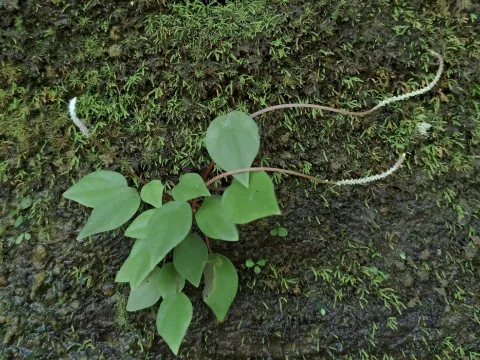
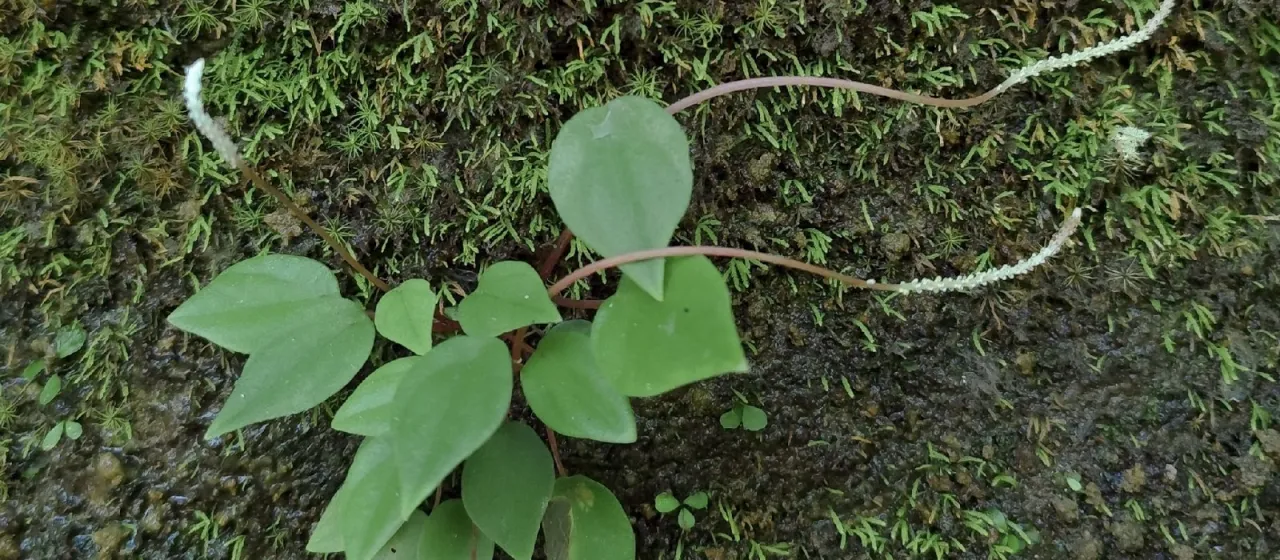
Botanically, Peperomia arifolia is characterized by its succulent, heart-shaped leaves, which often feature distinct silver-grey bands along the veins. The plant possesses a shallow root system and a fleshy stem structure that stores water, providing a mechanism to survive short periods of drought. These features make it highly suitable for container cultivation.
Agronomic requirements emphasize the need for a well-draining, aerated substrate, such as a peat-based mix supplemented with perlite or vermiculite. The plant thrives in temperature ranges between 18°C and 25°C. Excessive watering is the most common cause of crop failure, as the plant is susceptible to fungal root rot when the root zone remains waterlogged for extended periods.
The economic and commercial utility of Peperomia arifolia is primarily centered on the ornamental plant market. It is used in interior landscaping, office greenery, and professional interior design. Due to its slow growth rate and compact size, it is a low-maintenance crop for producers, provided that standardized pest monitoring programs are maintained.
- Lighting: Requires bright, indirect light to maintain leaf variegation.
- Watering: Apply water only when the top layer of substrate is dry to the touch.
- Common Pests: Mealybugs, spider mites, and fungus gnats are major threats.
- Disease Management: Focus on preventing bacterial and fungal soft rot.
- Propagation: Primarily propagated through stem or leaf cuttings under controlled moisture.
Photo gallery