Perotis indica
Perotis indica
Description
Perotis indica is an annual grass species belonging to the Poaceae family. Known in botanical circles for its unique morphology, this plant serves as a significant biological component in tropical ecosystems, often being utilized in agricultural practices for fodder production in specific arid or semi-arid regions.
The origin of this species is primarily centered in the tropical regions of Asia, specifically India, extending across various parts of Africa. It thrives in open, sunny environments. Its cultivation range is strictly confined to tropical and subtropical latitudes, as the species requires consistently high temperatures and cannot survive frost conditions.
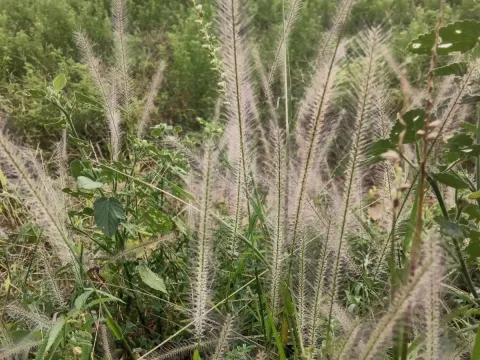
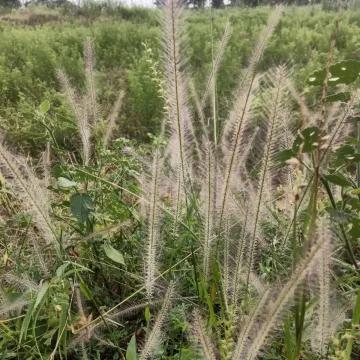
The botanical structure of Perotis indica features slender stems and narrow, linear leaves. Its most distinctive characteristic is the spike-like inflorescence, often displaying purplish hues. The root system is relatively shallow but highly efficient at extracting nutrients from sandy substrates, which is a key survival strategy in its native habitat.
Regarding agricultural requirements, Perotis indica favors well-drained, sandy soils. It is particularly responsive to minimal fertilization but is sensitive to competition from aggressive weed species during the early germination stages. Successful cultivation requires a controlled weed management program to allow the seedlings to establish a strong root system before the dry season begins.
In terms of economic use, this grass is primarily utilized as a forage crop for livestock. It is valued for its resilience in poor-quality soil conditions where more nutrient-demanding species would fail. Beyond fodder, it is occasionally employed in soil conservation projects to stabilize sandy landscapes and prevent wind erosion.
- Drought tolerance in mature growth stages.
- Preference for light, sandy soil textures.
- Distinctive purple-tinted inflorescence.
- Versatility in both grazing and soil stabilization.
The main phytosanitary risks involve fungal pathogens, particularly those triggered by excessive humidity levels in the canopy. Pest pressure is generally low compared to other industrial grasses, though aphids and soil-borne larvae can occasionally affect crop health if not monitored during the peak of the growing season.
Photo gallery