Perotis patens
Perotis patens
Description
Perotis patens is a perennial grass species belonging to the family Poaceae. Within agricultural and pastoral contexts, this grass is recognized for its ability to thrive in harsh environments, serving as a primary component of natural grazing lands in its native range and providing essential biomass for livestock.
The origin of this species is traced back to the tropical and subtropical regions of Africa. It is widely distributed across various savannah environments, showing a remarkable capacity to colonize sandy soils and areas where moisture availability is highly seasonal. This adaptability makes it a focal point for studies on drought-resistant forage production.
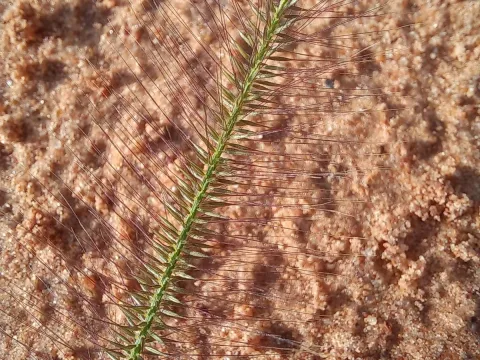
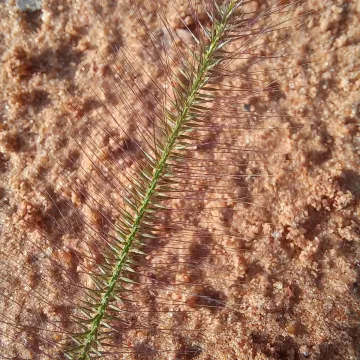
Botanically, the species is characterized by its tufted growth habit and narrow, somewhat rigid leaves that facilitate efficient transpiration control. The inflorescence is a distinct, elongated spike-like panicle, which produces abundant seeds. Its root system is deep and complex, allowing the plant to stabilize soil while accessing deep-seated moisture reserves.
In terms of agricultural requirements, Perotis patens performs best in well-drained, light-textured soils. It demands high levels of sunlight and shows low tolerance for waterlogged conditions. The recommended agronomic practices focus on non-intensive grazing management to prevent overgrazing, which is crucial for maintaining the vigor of the plant population and ensuring long-term pasture productivity.
- Requires well-drained, sandy soils.
- Exhibits high drought tolerance.
- Provides essential roughage for herbivores.
- Responsive to rotational grazing techniques.
The primary utility of this crop lies in livestock fodder. Although the forage quality can vary depending on the growth stage, its resilience makes it an invaluable resource in marginal lands. Potential phytosanitary issues include rust diseases and grass-specific insect pests, which are typically managed through regular monitoring and appropriate pasture resting cycles.
Photo gallery