Petrocoptis glaucifolia
Petrocoptis glaucifolia
Description
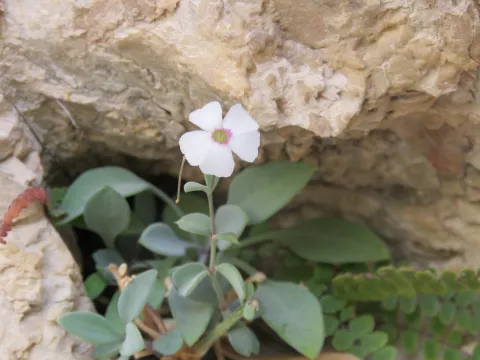
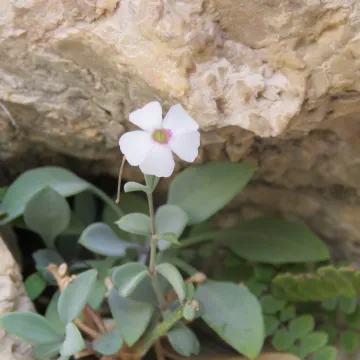
Petrocoptis glaucifolia is a perennial herb belonging to the Caryophyllaceae family. This distinct plant is highly valued by rock garden enthusiasts for its compact growth habit and its glaucous, blue-green foliage that contrasts beautifully with its delicate, pale-colored, star-shaped blossoms.
Native to the mountainous regions of Northern Spain, particularly in the Pyrenees, this species has evolved to thrive in limestone crevices and steep rocky slopes. Its natural habitat is characterized by poor soil, high drainage, and extreme seasonal temperature fluctuations, which dictates its specific environmental requirements in a cultivation setting.
The botanical structure consists of a basal rosette of succulent leaves coated with a waxy bloom, providing a silvery-blue appearance. The plant typically reaches a modest height of 10 to 20 centimeters. Its deep taproot is an evolutionary adaptation that allows the plant to source mineral nutrients and moisture from deep within stony substrates, ensuring stability in precarious locations.
In terms of agricultural and horticultural management, the plant requires excellent drainage. It thrives in gritty, alkaline, or neutral soil mixes that mimic its rocky origin. It is essential to place the plant in a position with full sun exposure and to avoid over-irrigation, as moisture accumulation around the crown is the most common cause of plant failure in garden environments.
Key concerns regarding the health and maintenance of this species include:
- Root and crown rot caused by poor soil aeration.
- Slug and snail damage to the young foliage during damp spring weather.
- Susceptibility to weed competition which can easily overwhelm the slow-growing rosettes.
Photo gallery