Pfaffia iresinoides
Pfaffia iresinoides
Description
Pfaffia iresinoides is a perennial herbaceous plant belonging to the Amaranthaceae family. Closely related to the well-known "Brazilian ginseng" (Pfaffia paniculata), this species is recognized for its unique secondary metabolites. As a botanical entity, it serves as a subject of significant interest in ethnobotany and pharmaceutical research due to its potential health benefits.
The plant is native to the tropical regions of Central and South America. Its natural habitat is characterized by humid environments and forest margins, where it thrives under partial shade. In terms of cultivation, it requires a climate that mimics these tropical conditions, necessitating greenhouse production in temperate zones to prevent cold stress and ensure year-round vegetative growth.
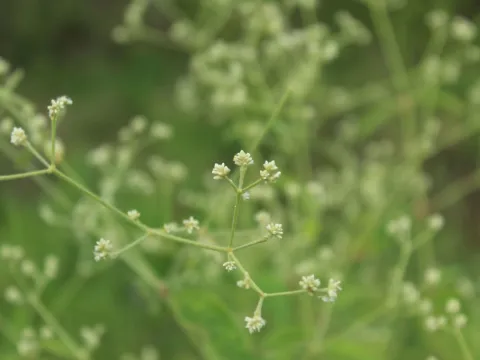
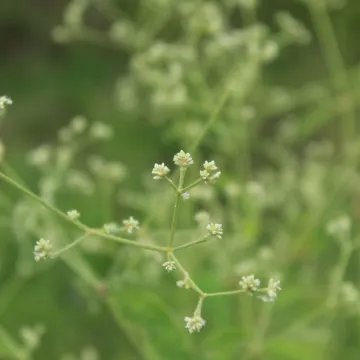
Botanically, Pfaffia iresinoides presents as a semi-shrub with opposite leaves and terminal inflorescences. The flowers are small, typical of the Amaranth family, and often produce numerous small seeds. Its root system is structurally complex, adapted to store vital energy and biochemical compounds, which form the basis of the plant's economic value.
Agronomic requirements for this species are specific: it demands well-drained, fertile soil enriched with organic matter. Proper irrigation management is critical, as the roots are sensitive to waterlogging, which often leads to rapid deterioration. The plant prefers temperatures ranging from 20°C to 28°C and thrives in locations with high humidity levels, consistent with its native tropical ecosystem.
- Light exposure: Partial shade to filtered sunlight.
- Soil pH: Slightly acidic to neutral range.
- Fertilization: Balanced NPK applications during active growth.
- Spacing: Adequate distance to promote airflow.
The primary economic and agricultural use of this plant is focused on the pharmaceutical and nutraceutical sectors. Extracting compounds such as ecdysteroids and various saponins allows for the production of adaptogenic supplements and high-end cosmetic formulations. Its versatility makes it an emerging crop for specialty farming operations looking to tap into the market for natural health-promoting substances.
Regarding health management, the crop is susceptible to common soil-borne pathogens, particularly root rot, which occurs in poorly drained substrates. Insect pests such as aphids and spider mites are frequently encountered, especially in closed-environment systems like greenhouses. Integrated pest management (IPM) strategies, including biological controls and regulated ventilation, are essential to maintain crop productivity and quality.
Photo gallery