Philodendron elegans
Philodendron elegans
Description
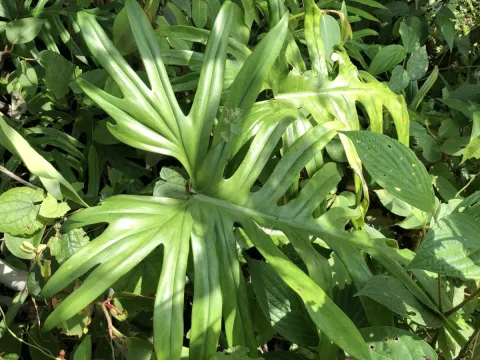
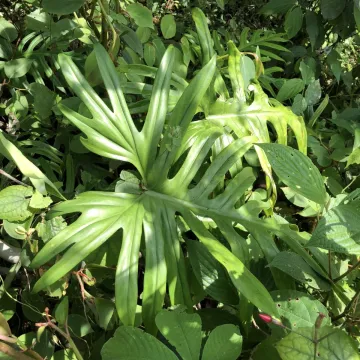
Philodendron elegans is an exquisite perennial evergreen vine belonging to the Araceae family. This species is highly prized in horticulture for its deeply lobed, lace-like leaves that create an intricate and exotic silhouette. As a member of the diverse Philodendron genus, it functions primarily as a decorative foliage plant, bringing a tropical aesthetic to interior landscapes and specialized botanical collections.
Originating from the tropical rainforests of South America, specifically regions like Colombia and Brazil, this plant has adapted to survive in shaded understory conditions. In its native habitat, it functions as an epiphyte or hemiepiphyte, utilizing its aerial roots to anchor onto larger trees and climb toward dappled sunlight. This evolutionary background explains its preference for humid environments and indirect light exposure in cultivation.
Botanically, the plant is characterized by a sturdy, climbing stem and large, highly dissected leaves that can grow quite extensive in mature specimens. Its root system is twofold: primary roots in the soil for nutrient uptake and aerial roots along the stem, which are essential for hydration and physical support. Under optimal agricultural conditions, the plant displays vigorous growth, though it rarely produces its inflorescence (a spadix protected by a spathe) in domestic settings.
Successful agrotechnical management for Philodendron elegans requires a focus on soil aeration and environmental moisture. The preferred temperature range for growth is between 22 and 26 degrees Celsius. The soil mixture must be well-draining yet moisture-retentive, typically composed of a mix of bark, sphagnum moss, and high-quality potting soil. Overwatering is the most significant risk, as it often leads to root rot, the most common physiological disorder in this crop.
Regarding health maintenance, the plant is susceptible to common pests such as spider mites, mealybugs, and scale insects, particularly when air humidity levels are insufficient. Regular inspection of the underside of the leaves and maintaining cleanliness through wiping or misting can effectively mitigate these risks. Fungal infections are largely prevented by ensuring adequate airflow around the foliage and avoiding waterlogged potting media, which remains the fundamental practice for maintaining a healthy and robust plant.
Photo gallery