Phyllagathis hispida
Phyllagathis hispida
Description
Phyllagathis hispida is a fascinating perennial herb belonging to the Melastomataceae family. This species is highly valued in the horticultural world for its distinctive, heavily textured foliage and unique growth habit. Often kept as an ornamental specimen, it thrives under controlled environments that mimic its natural tropical habitat.
The plant originates from the tropical rainforests of Southeast Asia. In its natural range, it typically inhabits the understory, sheltered by dense tree canopies. This historical adaptation to low-light, high-humidity, and stable-temperature environments dictates its specific cultivation requirements, making it a plant that demands precision in domestic or greenhouse settings.
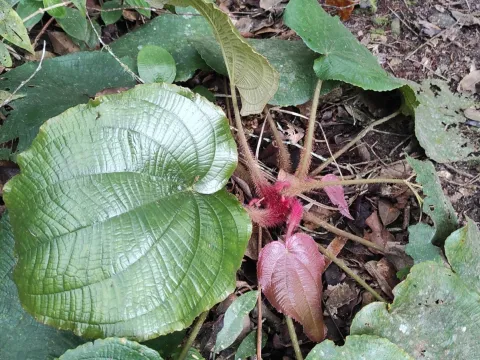
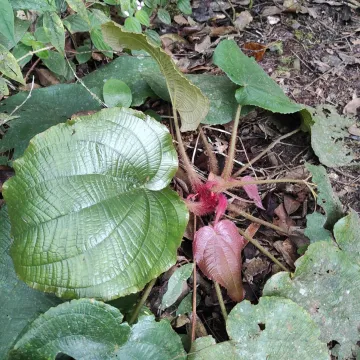
Botanically, Phyllagathis hispida is characterized by its short, robust stems and large, opposite leaves. The leaf surface is notably covered in stiff, bristly hairs, providing the plant with a unique tactile profile. The inflorescences are small yet elegant, typically emerging during the peak growing season to add a delicate accent to the foliage's rich texture.
To successfully cultivate this species, growers must provide a well-draining, nutrient-rich, and slightly acidic substrate. Irrigation must be managed carefully to ensure the soil remains moist without becoming waterlogged, which is a common cause of root rot. Adequate ambient humidity is essential for the plant's health, often requiring the use of humidifiers or regular misting in non-tropical climates.
The primary use of Phyllagathis hispida is in the ornamental plant trade and private plant collections. Typical pests include spider mites and mealybugs, which thrive in low-humidity conditions. Maintaining optimal air circulation and consistent moisture levels is the most effective strategy for pest prevention and overall plant vitality, ensuring the foliage remains vibrant throughout the year.
Photo gallery