Phyllagathis rotundifolia
Phyllagathis rotundifolia
Description
Phyllagathis rotundifolia is a distinguished herbaceous perennial belonging to the Melastomataceae family. Highly valued by exotic plant enthusiasts, it is primarily cultivated for its striking, textured foliage that provides aesthetic depth to tropical collections. While not a conventional food crop, it serves as a significant ornamental species in the global horticultural trade.
Originating from the dense, humid rainforests of Southeast Asia, specifically across the Malay Peninsula, this plant has evolved to thrive in the low-light conditions of the forest floor. Its native habitat provides a blueprint for its care, emphasizing the importance of high atmospheric humidity and protection from harsh direct sunlight. Understanding this origin is essential for successful cultivation.
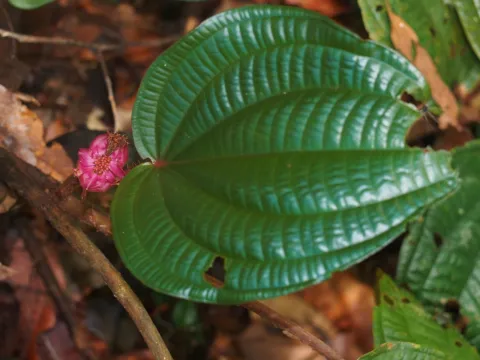
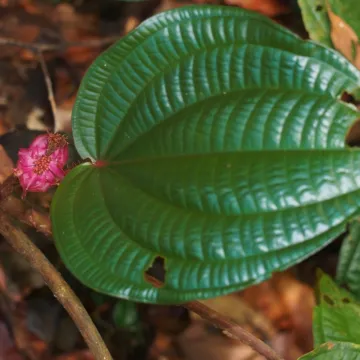
Botanically, the plant is characterized by its basal rosette of rounded, leather-like leaves. The leaf surface is notable for its quilted appearance, created by deeply impressed veins that highlight the plant's structural beauty. The color palette of the foliage ranges from deep forest greens to rich bronze and purple tones, often depending on the specific environmental conditions and maturity of the specimen.
Regarding agronomic requirements, Phyllagathis rotundifolia demands a well-draining, humus-rich substrate with a slightly acidic pH. The cultivation success relies on maintaining consistent moisture levels in the root zone without causing saturation.
- Temperature: Prefers consistent warmth between 20°C and 26°C.
- Humidity: Requires high levels, ideally above 60%.
- Light: Thrives in filtered, dappled light or moderate shade.
In terms of usage, the plant is predominantly utilized for indoor landscaping and specialized terrarium collections due to its compact size and high humidity requirements. Pathological issues typically stem from improper water management, often manifesting as root rot or fungal leaf spots. Common pests include spider mites and mealybugs, which are effectively controlled through consistent monitoring and appropriate integrated pest management practices.
Photo gallery