Makino bamboo
Phyllostachys makinoi
Description
Makino bamboo (Phyllostachys makinoi) is a perennial woody plant belonging to the grass family Poaceae. This specific species is highly regarded for its structural integrity and rapid growth rate, making it a valuable crop for sustainable biomass production and landscaping projects.
Native to the island of Taiwan, this species thrives in mountain forests and warm, humid climates. Its natural distribution range is defined by high precipitation levels and mild winters, which provide the optimal conditions for its vegetative propagation through rhizome expansion.
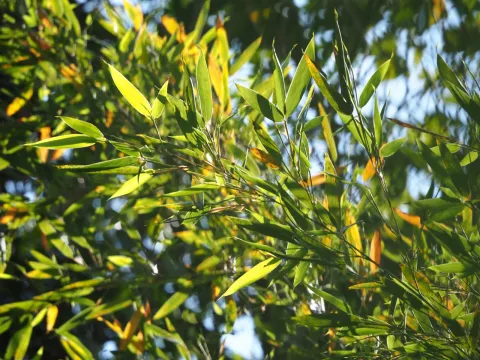
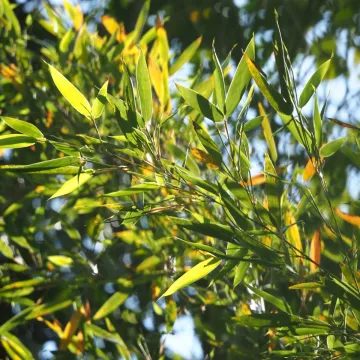
Botanically, Phyllostachys makinoi is characterized by robust, straight, and slender culms that can grow up to 15 meters in height. The leaves are narrow and lanceolate, creating a dense canopy. The plant's most notable feature is its vigorous underground rhizome system, which enables it to colonize new areas efficiently.
In terms of agricultural management, the crop requires deep, well-draining soils with high organic matter content. It is sensitive to waterlogging, so soil aeration is critical for healthy root development. Regular mulching is recommended to maintain soil moisture levels and prevent competitive weed growth during the establishment phase.
Key industrial and household applications include:
- Manufacturing of high-strength flooring and construction elements.
- Crafting of furniture and artisanal bamboo products.
- Soil erosion control in steep, hilly regions.
- Harvesting of edible shoots for culinary purposes.
The crop is susceptible to specific pests, such as spider mites and aphids, which can severely impact shoot production if left unmanaged. Integrated pest management, including regular inspection and proper plant spacing to ensure adequate airflow, is the most effective approach to maintaining plantation health.
Photo gallery