Yellow groove bamboo
Phyllostachys sulphurea
Description
Yellow groove bamboo (Phyllostachys sulphurea) is a perennial evergreen plant belonging to the grass family (Poaceae) and the bamboo subfamily (Bambusoideae). This species is highly valued for its striking yellow-green culms and vigorous growth habit, making it one of the most recognized bamboo species in temperate and subtropical gardening and agriculture.
Originating from East Asia, specifically China, this species has been introduced globally. It thrives in regions with warm, humid summers and mild to moderate winters. Its ability to adapt to various environments has led to its extensive use in landscaping projects and commercial bamboo plantations, where it is cultivated for its rapid biomass production.
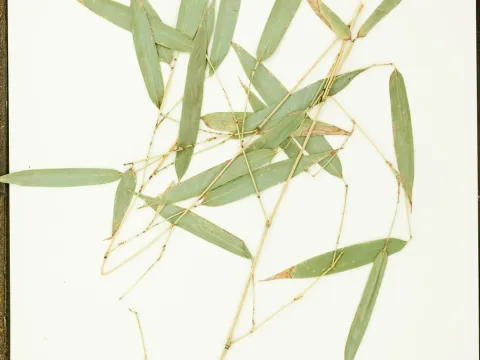
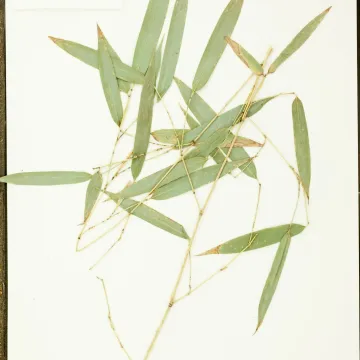
Botanically, Phyllostachys sulphurea is characterized by its yellow culms with a green groove above the branch node, which gives it its common name. The plant features lance-shaped, dark green leaves that grow densely, providing a lush appearance. Its root system consists of aggressive rhizomes that spread laterally, allowing the plant to colonize areas effectively when not managed properly.
The agronomic requirements for this bamboo include fertile, well-draining soil with a slightly acidic to neutral pH. It requires consistent moisture, especially during the shooting season, but is sensitive to waterlogged soils which can lead to root rot. While it displays good cold hardiness compared to other tropical bamboos, it performs best when sheltered from harsh, drying winds in colder climates.
In terms of agricultural and landscape usage, yellow groove bamboo serves as an excellent screen or privacy hedge due to its vertical growth and high density. Its strong, flexible culms are utilized in the construction of garden structures, furniture, and various crafts. Furthermore, it is increasingly studied for its environmental benefits, including carbon sequestration and soil stabilization on slopes.
- Ample water supply during the growing season.
- Use of organic mulch to improve soil structure.
- Spring fertilization with balanced nitrogen-rich fertilizers.
- Installation of rhizome barriers for garden containment.
- Regular pruning of old or diseased stalks to encourage new growth.
Like many bamboo species, it can be susceptible to fungal issues such as rust or leaf spot if air circulation is poor within the grove. Pests like aphids and spider mites may infest the foliage, particularly during hot, dry spells. Effective management involves maintaining healthy growing conditions, ensuring proper spacing between clumps, and utilizing integrated pest management strategies when necessary.
Photo gallery