Cornubian bladderseed
Physospermum cornubiense
Description
Cornubian bladderseed (Physospermum cornubiense) is a perennial herbaceous plant belonging to the Apiaceae family. While it is not a traditional mass-market crop, it is recognized for its ornamental value and potential interest in phytochemical research due to the complex secondary metabolites present in the species.
The plant originates from Western and Southern Europe, specifically occurring in regions like Cornwall, France, and Spain. Its native habitat is characterized by damp deciduous woodlands and shaded grassy slopes, which indicates a preference for semi-shaded locations and stable moisture levels in a cultivated environment.
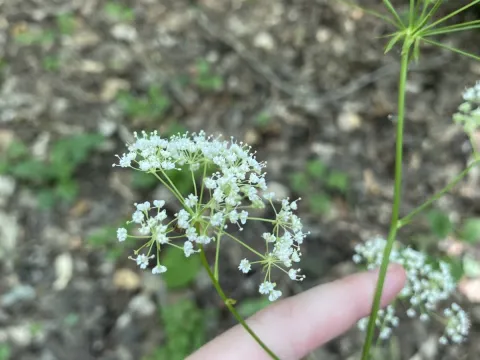
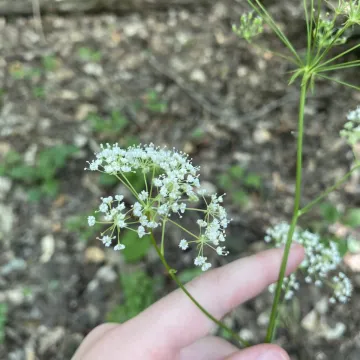
Botanically, the species is defined by its robust rhizomes and delicate, pinnately divided foliage. It produces tall, erect stems carrying large, airy umbels of small white flowers that provide a structural element to any planting scheme. The plant's architecture is highly valued for its naturalistic aesthetic.
Regarding cultivation, the plant requires deep, fertile, and well-drained soil. It thrives in locations that are protected from intense, direct midday sun. In terms of agronomic practice, it is crucial to ensure good air circulation to prevent fungal issues and to apply organic mulch to maintain steady soil temperature.
- Requires semi-shaded conditions.
- Prefers well-drained, humus-rich soil.
- Avoid waterlogging in winter.
- Monitor for aphid infestations.
The main uses of Physospermum cornubiense are currently focused on decorative horticulture and the botanical study of its medicinal potential. Susceptibility to root rot is high if drainage is poor, and occasional pest control for leaf-eating insects is recommended during the peak of the growing season.
Photo gallery