Physospermum verticillatum
Physospermum verticillatum
Description
Physospermum verticillatum is a perennial herbaceous plant belonging to the Apiaceae family. Often overlooked in mass agricultural production, this species possesses unique morphological traits that define its role within its natural ecosystem and contribute to its status as a specialized botanical specimen.
Originating primarily from the mountainous regions of Southern and Central Europe, this plant thrives in calcareous substrates. Its natural habitat includes rocky slopes and forest fringes, where the soil profile is characterized by high mineral content and excellent drainage, which are critical for the plant's long-term survival and propagation.
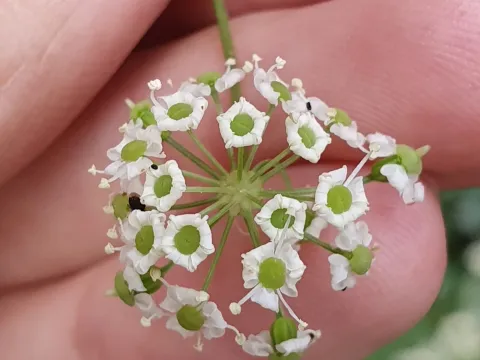
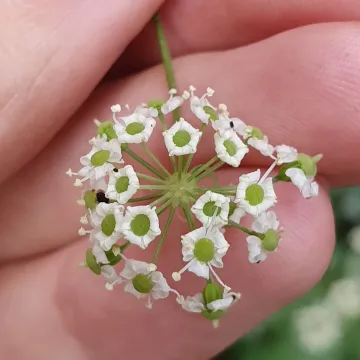
The botanical structure of the plant features a distinct whorled leaf arrangement and a strong, penetrating taproot system. These features allow it to withstand seasonal water stress and nutrient fluctuations common in its native alpine or sub-alpine environments. The inflorescence is a typical compound umbel, which serves as a vital resource for various local pollinators.
Cultivation requirements for Physospermum verticillatum center around soil structure and site selection. It performs best in cool, well-drained locations with moderate sunlight exposure. In a garden or small-scale farming context, it is crucial to avoid heavy, waterlogged clays that can lead to root rot. Regular soil aeration and maintenance of a neutral pH balance are recommended for optimal growth rates.
Regarding its utility, the species is mainly valued for its aesthetic contribution to specialized rock gardens and its botanical interest in conservation studies. Common pests include aphids and various beetle species that target the umbrella-like flower heads, while fungal diseases such as mildew may occur if the plants are situated in areas with poor airflow and excessive humidity.
- Excellent adaptation to limestone-rich soils.
- Preference for semi-shaded to sunny exposures.
- Requirement for minimal moisture during the dormant season.
- Low tolerance for high-density planting conditions.
Photo gallery