Picramnia antidesma
Picramnia antidesma
Description
Picramnia antidesma is a perennial woody plant belonging to the family Picramniaceae. Often historically classified under Simaroubaceae, recent botanical studies have confirmed its placement within its own family. This species typically appears as a small evergreen tree or a shrub, thriving in the dense understory of tropical forests.
The native range of the species is primarily centered on the Caribbean islands, including Cuba, Jamaica, and Hispaniola. It occupies diverse habitats ranging from coastal forests to humid limestone slopes. Due to its tropical origin, the plant requires consistent environmental conditions characterized by high humidity and the absence of freezing temperatures throughout the year.
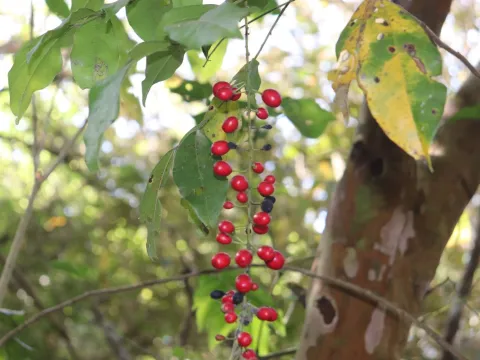
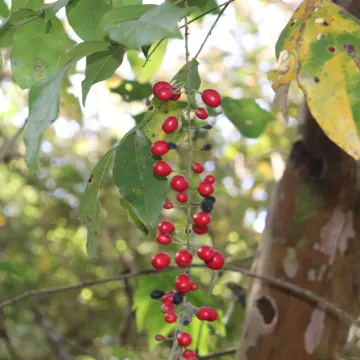
Botanically, Picramnia antidesma is identified by its alternate, pinnately compound leaves and small, discreet flowers arranged in racemes. The plant is particularly noted for its ornamental fruit — small, vibrant red to pink drupes that develop after flowering. The bark is typically smooth, and the wood is relatively soft, common for species in this understory niche.
For successful cultivation, the plant demands well-draining soil with a high content of organic matter. It is notably tolerant of alkaline conditions, often found in limestone-rich environments. In a controlled environment or nursery, young seedlings must be protected from intense, direct solar radiation and benefit from moderate irrigation to prevent root desiccation.
In terms of economic and practical use, the plant is valued for its ethnobotanical history. Indigenous and local communities have traditionally utilized extracts from the bark and leaves for their febrifugal and anti-inflammatory properties. Ongoing scientific interest focuses on the phytochemical composition of the plant, which may harbor potential for future pharmaceutical development.
- Adaptation to limestone-rich soils.
- High humidity requirement.
- Ornamental potential of fruit clusters.
- Limited frost tolerance.
Photo gallery