Bitter-bush
Picramnia pentandra
Description
Bitter-bush (Picramnia pentandra) is a woody shrub or small tree belonging to the family Picramniaceae. Often historically grouped with Simaroubaceae, this species is now classified within its own unique family, which comprises a group of tropical plants known for their specific chemical composition and specialized ecological niches.
The plant is native to the tropical regions of the Caribbean, including islands like Puerto Rico, Cuba, and Hispaniola, and extends into parts of Central and South America. It thrives in the understory of moist forests, where it benefits from the humid microclimate and protection provided by the taller forest canopy, making it an essential component of local biodiversity.
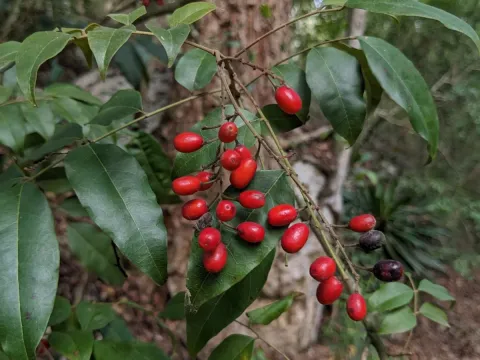
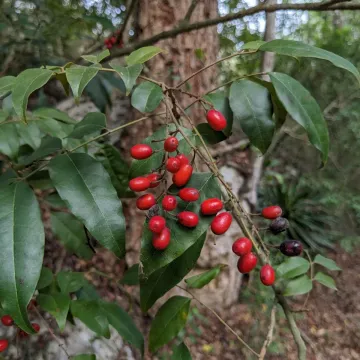
Botanically, Picramnia pentandra is distinguished by its alternate, pinnately compound leaves and small, often inconspicuous flowers that develop into clusters of vibrant red, ovoid drupes. These fruits are a vital food source for local bird populations, which helps in the natural seed dispersal of the species across its fragmented tropical habitat.
Regarding cultivation, this species requires a stable, warm environment with high humidity levels and indirect sunlight. In terms of soil, it prefers well-draining, nutrient-rich substrates. Growers must ensure consistent moisture without waterlogging, as the root system is sensitive to poor drainage. It is generally unsuitable for outdoor cultivation in temperate climates, requiring greenhouse conditions if grown outside its native range.
In terms of economic and practical utility, the plant is primarily recognized for its historical use in folk medicine. Extracts derived from its bark and leaves have been traditionally utilized for their bitter properties and potential medicinal applications. While not a commercial crop in the traditional sense, Picramnia pentandra continues to be studied by researchers interested in natural plant-based compounds for pharmaceutical development.
- Family: Picramniaceae
- Habit: Evergreen shrub/small tree
- Distribution: Caribbean and Tropical Americas
- Key Feature: Red fruit clusters
Photo gallery