Pimelea simplex
Pimelea simplex
Description
Pimelea simplex is a notable botanical species belonging to the Thymelaeaceae family. Often referred to by its common name, the Desert Rice-flower, this plant is primarily recognized for its elegant, slender structure and ability to thrive in harsh environments. While not a conventional large-scale field crop, it is of great interest to botanical researchers and enthusiasts focused on drought-tolerant species.
The plant originates from the arid and semi-arid regions of Australia. Its natural distribution is widespread across diverse landscapes, including open grasslands and sandy woodlands. This evolutionary history has equipped Pimelea simplex with high physiological resilience, allowing it to complete its life cycle in areas where other species struggle due to water scarcity or high temperatures.
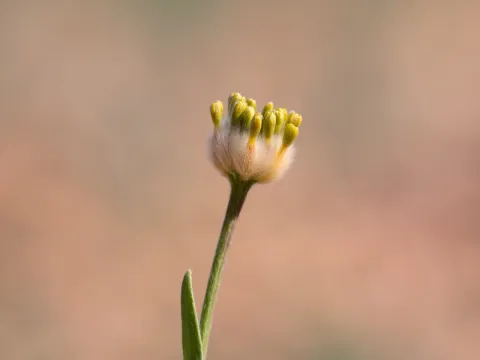
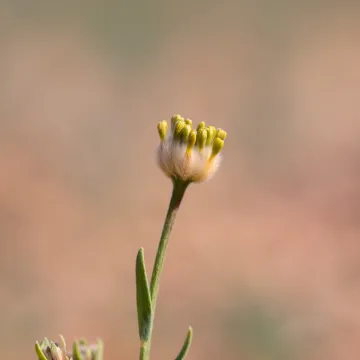
Botanically, Pimelea simplex is characterized by its linear foliage and terminal flower heads. The inflorescences can display a range of colors, often white or yellow-tinged, depending on the specific environmental stressors. Its root system is developed to maximize water uptake, allowing the plant to sustain growth even during extended dry spells, making it a model for studying water-use efficiency.
For successful cultivation, growers must replicate its natural environmental conditions. This implies the need for full sun exposure and well-draining, nutrient-poor soil compositions. Avoiding waterlogging is the most critical factor in its maintenance, as excess humidity frequently leads to root suffocation. Strategic irrigation, limited to periods of extreme drought, is usually sufficient to support optimal development.
Management of the plant in a landscape or controlled setting involves monitoring for several common issues that can affect its vitality:
- Root rot pathogens, particularly in humid or poorly drained substrates.
- Aphid infestations that cluster near the flower heads during active growth.
- Competition from invasive weeds which can easily overwhelm the slow-growing seedlings.
Photo gallery