Himalayan laburnum
Piptanthus nepalensis
Description
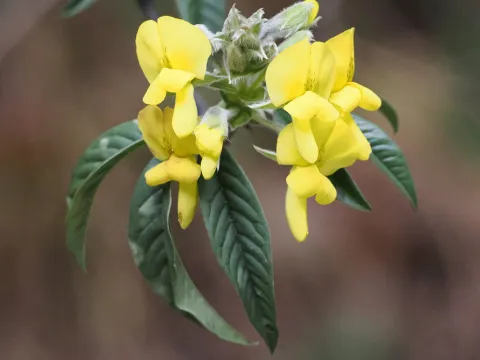
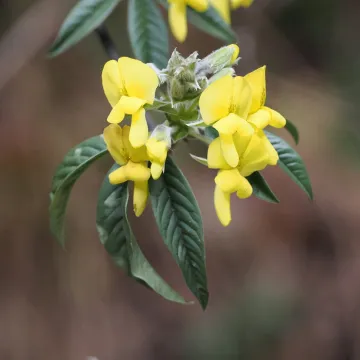
The Himalayan laburnum (Piptanthus nepalensis) is an attractive evergreen or semi-evergreen shrub belonging to the Fabaceae family. It is widely prized by horticulturists for its spectacular display of bright yellow, pea-like flowers that bloom in dense clusters, providing a striking visual impact during the spring season.
Originating from the high-altitude regions of the Himalayas, this plant is native to countries such as Nepal, Bhutan, and parts of China. In cultivation, it thrives in regions with mild temperate climates, where it is frequently used as a decorative feature in gardens, often serving as a focal point in borders or as part of larger shrub displays.
Botanically, the plant is characterized by its trifoliate leaves and woody stems, which can grow to heights of two to three meters. The flowers are arranged in terminal racemes, and following the blooming period, the shrub produces flat, pod-like fruits typical of the legume family. The foliage remains dense, contributing to the plant's year-round aesthetic appeal.
Agricultural requirements for Piptanthus nepalensis involve planting in full sun to partial shade, specifically in locations protected from harsh, drying winds. The soil must be well-draining, as the plant is sensitive to waterlogged conditions, which can lead to root issues. It prefers fertile, slightly acidic to neutral soil compositions to ensure vigorous growth.
- Soil: Well-drained, fertile loam or sandy soil.
- Watering: Moderate, ensuring the root zone does not remain waterlogged.
- Maintenance: Annual pruning after flowering to maintain shape and density.
- Hardiness: Requires winter protection in regions prone to severe frost.
The primary use of this species is ornamental landscaping. It is generally resistant to pests and diseases, provided that the growing conditions are appropriate. However, gardeners should remain vigilant regarding soil drainage to prevent fungal infections. Its unique appearance and relative ease of care make it a favored choice for collectors of unusual woody perennials.
Photo gallery