Pittosporum patulum
Pittosporum patulum
Description
Pittosporum patulum is an evergreen shrub or small tree belonging to the Pittosporaceae family. It is a distinctive species often noted for its slow growth rate and unique morphological changes as the plant matures. Due to its aesthetic value and historical rarity, it is categorized as a significant plant for specialized botanical collections.
The species is endemic to New Zealand, where it naturally thrives in mountainous forest regions and rugged rocky terrains. It is well-adapted to cool and moist environmental conditions. In agricultural and horticultural practices, its cultivation is restricted to areas that mimic its natural microclimate, as it requires protection from severe frosts and strong, drying winds.
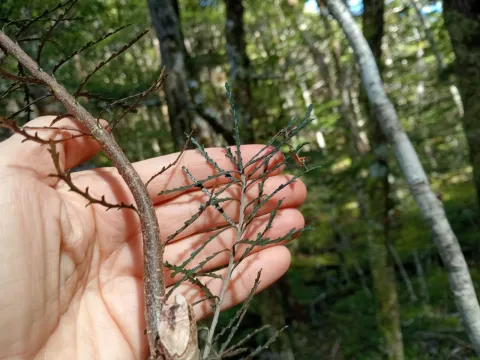
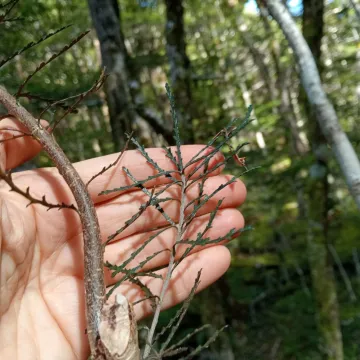
Botanical features of this species include a remarkable form of heterophylly. Seedlings and young shoots possess narrow, linear, and often toothed leaves, while mature branches develop broader, leathery, and entire leaves. The flowers are small, often maroon or yellow, and possess a fragrant scent, eventually producing woody capsules filled with sticky seeds.
Cultivation requires well-drained, fertile soil with a slightly acidic to neutral pH. Proper agrotechnical management involves regular moisture control to prevent root rot while ensuring the soil does not completely dry out. The plant prefers partial shade or dappled sunlight; excessive direct midday sun in warmer regions can lead to leaf scorch and stress.
- Requires protection from extreme weather events.
- Prefers mulching to maintain soil moisture levels.
- Sensitive to heavy, waterlogged clay soils.
- Regular pruning is beneficial for structural development.
The plant is primarily used for ornamental purposes in landscaping and controlled conservatory settings. Common pests include scale insects and spider mites, which can be managed with standard horticultural oils. Disease prevention focuses on maintaining proper air circulation and strictly monitoring irrigation practices to avoid fungal pathogens.
Photo gallery