Petroleum nut
Pittosporum resiniferum
Description
The Petroleum nut (Pittosporum resiniferum) is an evergreen tree species belonging to the Pittosporaceae family. It is notably recognized for the high concentration of resinous, oily compounds found within its fruit. These trees typically grow to heights of 5 to 10 meters and are characterized by a dense canopy of glossy, dark green foliage, which makes them both an agricultural and aesthetic asset.
Native to the humid tropical regions of the Philippines and parts of Southeast Asia, the species thrives in mountain forests where rainfall is consistent. The plant is highly adapted to tropical climates and struggles to survive in regions with frost or prolonged cool weather. In an agricultural setting, successful cultivation is generally limited to tropical and subtropical zones with high air humidity.
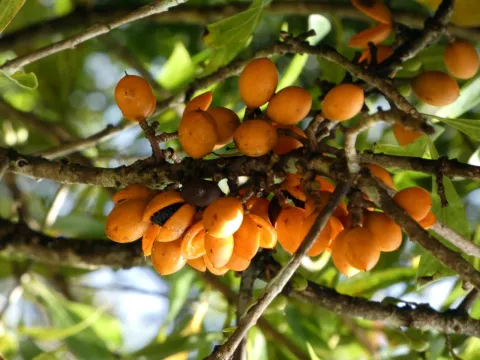
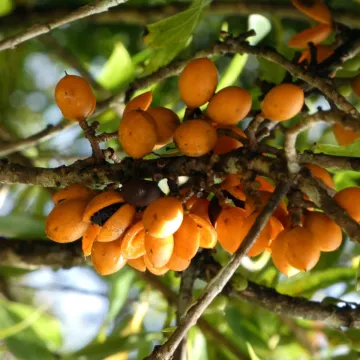
Botanically, the plant features leathery, elliptical leaves and small, fragrant yellow flowers arranged in terminal clusters. The fruit is a dehiscent capsule containing seeds coated in a sticky, highly flammable resinous substance. This unique chemical composition is the defining biological characteristic that sets the species apart from other woody plants within its genus.
Agricultural requirements for this crop focus on well-draining, nutrient-rich soils with a neutral pH level. Over-watering can be detrimental, so proper field drainage is essential for tree health. Maintenance includes regular pruning to improve air circulation, consistent fertilization to support foliage density, and monitoring for pests like aphids or scale insects which can infest the succulent growth.
Economically, the Petroleum nut is studied for its potential as a source of biofuel and high-grade essential oils. The oil extracted from the seeds contains heptane, making it a valuable subject for research in sustainable energy and specialized industrial lubricants. Furthermore, it serves as an ornamental plant in landscaping projects, providing year-round greenery and a pleasant, subtle fragrance during the flowering season.
- Requires well-drained, fertile soil.
- Optimal growth in high humidity.
- Protection against wind and frost is necessary.
- Pruning for shape and yield maintenance.
Photo gallery