Victorian box
Pittosporum undulatum
Description
The Victorian box, botanically known as Pittosporum undulatum, is an evergreen shrub or small tree belonging to the Pittosporaceae family. It is widely recognized for its glossy, undulating leaves and highly fragrant, cream-colored flowers that bloom in clusters during the spring, making it a popular choice for garden aesthetics.
Originating from the coastal regions of eastern Australia, the species has been introduced and naturalized in various subtropical and Mediterranean climates worldwide. Its resilience and ability to thrive in diverse soil types have contributed to its popularity as a landscape plant in regions such as California, southern Europe, and parts of South America.
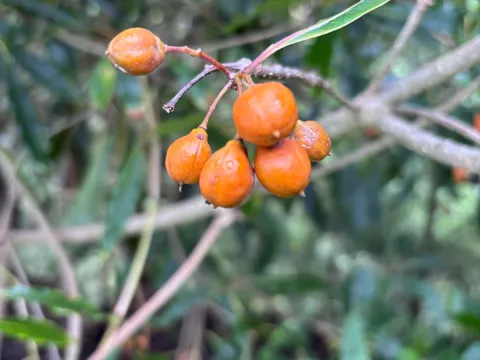
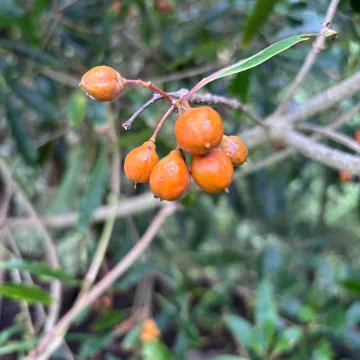
Botanically, Pittosporum undulatum is characterized by its dense canopy and rapid growth rate under favorable conditions. Its fruits are small, orange-yellow berries containing sticky seeds, an evolutionary trait that aids in seed dispersal via birds. The plant is versatile and can grow into a multi-stemmed shrub or a single-trunk tree depending on pruning management.
Cultivation requirements focus on well-draining soil and a sunny to partially shaded position. While the plant exhibits moderate drought tolerance once established, consistent irrigation during the peak growing season enhances foliage density. It prefers neutral to slightly acidic soil and should be protected from harsh, freezing temperatures to ensure optimal growth and health.
In terms of agricultural and horticultural use, it is a staple for privacy screens, windbreaks, and formal hedges. Beyond its ornamental value, it is valued for its aromatic properties in floral arrangements. Management of pests such as aphids, scale insects, and occasional fungal infections related to poor soil aeration is essential for maintaining the plant's long-term vigor.
Photo gallery