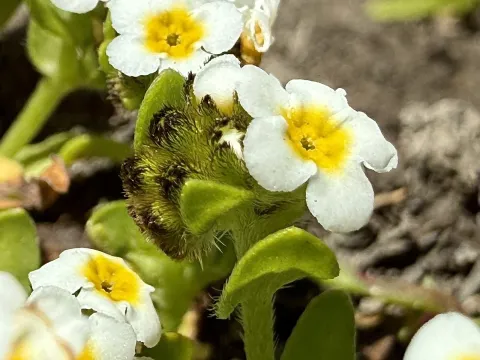
Choris popcornflower
Plagiobothrys chorisianus
Description
Plagiobothrys chorisianus, commonly known as the Choris popcornflower, is a species of flowering plant in the Boraginaceae family. It is a distinct botanical entity known for its specific ecological requirements and limited distribution, primarily serving as a subject for conservation biology rather than large-scale agricultural production.
The plant originates from the coastal regions of California. It thrives in specialized habitats, often appearing in areas that experience seasonal fluctuations in moisture. This adaptation allows the species to occupy unique ecological niches where typical agricultural crops might struggle due to erratic moisture availability.
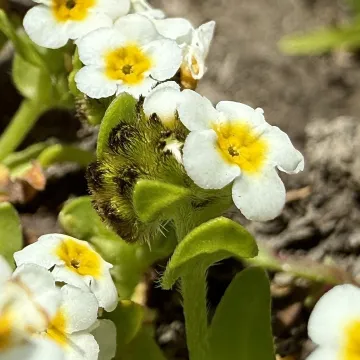
Botanically, the plant is characterized by its pubescent foliage and distinct inflorescences. The flowers are typically white, arranged in a way that maximizes pollination efficiency in its native environment. The plant’s root system is adapted to exploit moisture from upper soil layers, making it sensitive to extreme drought or prolonged saturation.
In terms of cultivation and environmental needs, this species requires well-drained soils with specific mineral compositions. Agrotechnical management should focus on mimicking natural environmental triggers, such as consistent spring moisture followed by a gradual warming period. Soil pH balance is also a significant factor for healthy development.
The host of potential pests and diseases includes standard threats to Boraginaceae, such as aphids and fungal root rots under poor ventilation. Current economic use remains limited to ecological research and biodiversity preservation. Continued study of this species provides insights into plant resilience and the stabilization of ecosystems under changing environmental conditions.
Photo gallery