
Plectocephalus tweediei
Plectocephalus tweediei
Description
Plectocephalus tweediei is a perennial herbaceous plant belonging to the Asteraceae family. Known for its distinct botanical structure, this species is often associated with the Centaurea-related groups within the tribe Cynareae. Its unique morphological characteristics make it an interesting subject for both botanical study and horticultural development within agricultural settings.
The plant originates from the southern regions of South America, specifically inhabiting areas of Argentina and Uruguay. In its natural range, Plectocephalus tweediei thrives in temperate subtropical climates, often colonizing open grasslands and the borders of wooded areas. Its natural distribution suggests a high adaptability to varying moisture levels, provided the soil drainage remains optimal.
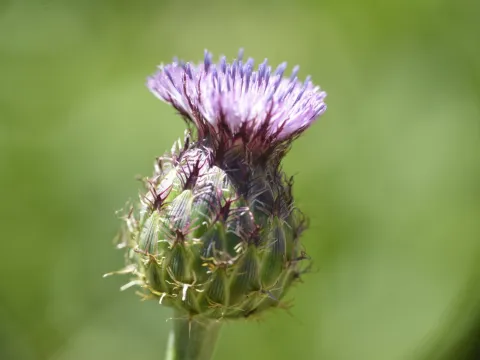
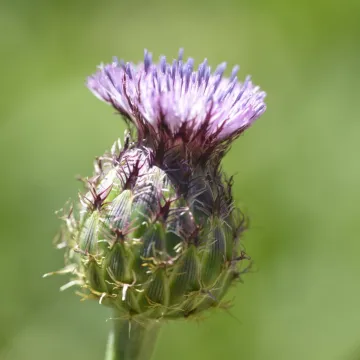
Botanically, the plant features erect stems and serrated foliage, typical for many members of its family. The inflorescences are structured as characteristic composite flower heads, which serve as the primary focus of its aesthetic value. A well-developed root system supports the plant during periods of low rainfall, allowing it to maintain growth in diverse environmental conditions.
Agronomic requirements for Plectocephalus tweediei emphasize the need for nutrient-rich, well-draining soil with a neutral pH. Proper cultivation practices include:
- Regular monitoring of soil moisture during the active growth phase.
- Application of balanced fertilizers to support the flowering cycle.
- Consistent spacing to ensure adequate air circulation.
In terms of economic and practical use, the plant is primarily cultivated for ornamental purposes in public and private landscapes. It is susceptible to common pests such as aphids and spider mites, as well as fungal diseases if exposed to excessive humidity. Integrated pest management, including regular inspection and the use of approved organic fungicides, is recommended to maintain the health of the crop.
Photo gallery