Pleioblastus linearis
Pleioblastus linearis
Description
Pleioblastus linearis is a perennial evergreen bamboo belonging to the Poaceae family. Known for its distinctively narrow foliage and graceful growth habit, it is a popular choice for gardeners who appreciate the refined aesthetic of ornamental bamboo in temperate to subtropical zones.
The plant originates from the Ryukyu Islands in Japan. It thrives in environments characterized by high atmospheric humidity and mild temperatures. In its native habitat, it forms extensive colonies in forest understories and along riverbanks, showcasing its natural resilience and adaptive capacity.
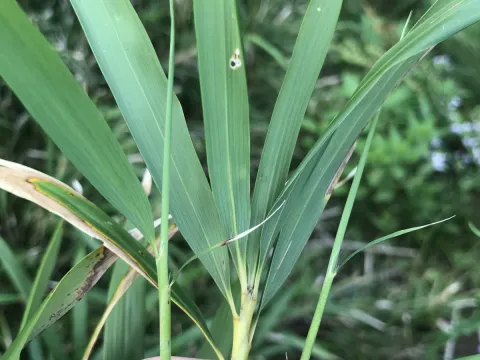
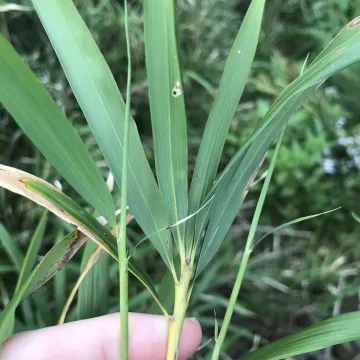
Botanically, this species is defined by its slender, erect culms and elongated, grass-like leaves. The foliage is thin and linear, providing a delicate texture to the landscape. It generally reaches heights of 2 to 3 meters, making it an ideal candidate for screening or as a structural feature in garden beds.
Cultivation requires well-drained, nutrient-rich soil with a neutral to slightly acidic pH. The plant performs best in partial shade, as intense direct sun can scorch the leaves in hot climates. Regular irrigation is crucial during the growing season, and applying mulch helps maintain soil moisture and protects rhizomes from temperature fluctuations.
In terms of agricultural and horticultural use, it is primarily employed as an ornamental plant. It is frequently utilized for creating dense privacy screens, windbreaks, and stabilizing slopes. Due to its vigorous growth via spreading rhizomes, it is often necessary to install root barriers to prevent it from invading adjacent garden spaces.
Common pests include spider mites and aphids, which are particularly problematic in dry or overly sheltered conditions. Disease susceptibility often involves fungal leaf spots if humidity is trapped without proper air circulation. Regular pruning of old or diseased stems is recommended to maintain the vigor and health of the bamboo grove.
Photo gallery