Pleroma heteromallum
Pleroma heteromallum
Description
Pleroma heteromallum is a distinctive perennial shrub belonging to the Melastomataceae family. Botanically recognized in many regions under its synonym Tibouchina heteromalla, this plant is highly valued for its striking foliage and vivid floral displays, making it a prominent subject in tropical and subtropical horticulture.
Originating from the tropical forests of Brazil, this species thrives in environments characterized by high humidity and consistent warmth. In agricultural and ornamental practice, it is widely utilized for landscaping purposes in regions that do not experience frost, as well as in controlled greenhouse environments in temperate climates.
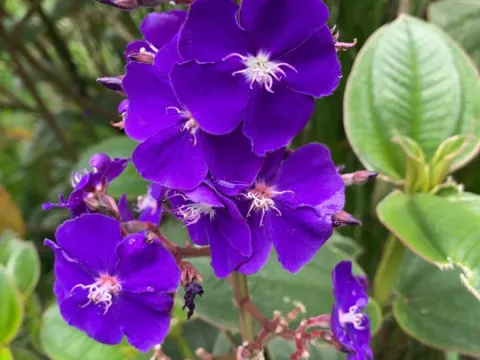
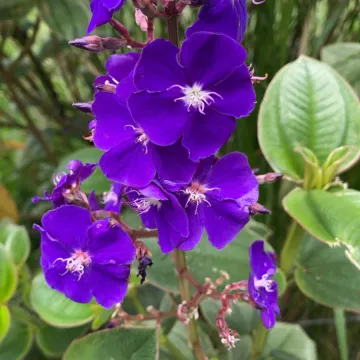
The morphology of the plant is defined by its velvety, pubescent leaves which possess distinct longitudinal veins characteristic of the Melastomataceae family. The flowers are typically deep purple or violet, blooming in terminal panicles, which creates a dramatic visual contrast against the soft, silver-green texture of the foliage.
Effective cultivation requires a well-draining, acidic soil medium enriched with organic matter. Proper agrotechnology involves maintaining a consistent moisture level without causing waterlogging, as the root system is susceptible to decay. Exposure to direct midday sun should be avoided in hotter regions to prevent leaf scorching.
The primary horticultural application of Pleroma heteromallum is as an ornamental garden plant or container specimen. Disease management is focused on preventing fungal infections caused by poor soil drainage. Common pests include aphids and spider mites, which require integrated pest management strategies to maintain plant vigor and appearance throughout the growing season.
Photo gallery