Podospermum roseum
Podospermum roseum
Description
Podospermum roseum is a perennial herbaceous plant belonging to the Asteraceae family. While not a mainstream agricultural commodity, it is recognized for its ecological value and potential utility in niche agricultural systems. It shares structural similarities with other members of the Scorzonerinae subtribe, exhibiting typical traits of hardy meadow vegetation.
The plant is native to Central and Southern Europe, extending into parts of Western Asia. Its natural habitat includes open grasslands, rocky slopes, and steppe environments. This geographical origin implies a natural preference for climates that offer distinct seasonal cycles and periods of both moisture and solar exposure, making it well-suited for temperate garden and field environments.
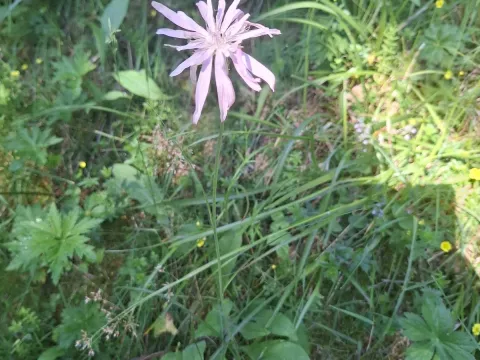
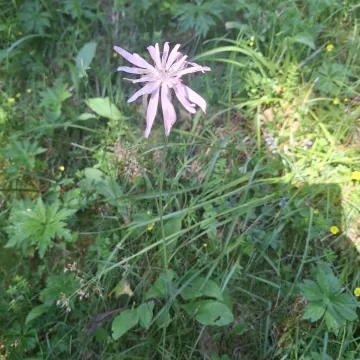
Botanically, Podospermum roseum is characterized by a sturdy taproot and a rosette of leaves that emerge early in the growing season. The inflorescence consists of solitary flower heads with ray florets that display a distinct rose or purplish hue. The plant's architecture is optimized for wind pollination and efficient seed dispersal, with the seeds featuring pappus structures common among many Asteraceae species.
Regarding soil and climatic requirements, the plant thrives in well-drained, porous soils that do not retain excess water. It prefers full sun exposure to maintain its vigor and flower production. Agronomic management involves site preparation that mimics its natural habitat: avoiding heavy clay soils and ensuring that the seedbed is free from aggressive perennial weeds that could compete with the slow-growing seedlings.
In terms of usage and crop health, Podospermum roseum is primarily utilized in biodiversity restoration and ornamental landscaping. Like other members of its family, it can be susceptible to specific pests such as aphids and fungal diseases like powdery mildew, particularly when planted in environments with poor air circulation or excessive soil moisture. Careful monitoring of drainage and pest populations is essential for maintaining healthy stands.
Photo gallery