Polypogon fugax
Polypogon fugax
Description
Polypogon fugax, commonly known as the fugitive beardgrass or water bent, is an annual grass species belonging to the Poaceae family. In agricultural settings, it is frequently categorized as a weed that colonizes irrigation channels, wet fields, and riparian zones, potentially competing with cultivated crops for vital resources such as sunlight, nutrients, and moisture.
The native range of this species is largely centered in Asia, including countries like China, Japan, and Korea. It is highly adapted to environments with high soil moisture, frequently appearing in areas where irrigation is standard practice. Its ability to colonize disturbed wet soils makes it a significant species in both natural wetlands and agricultural ecosystems.
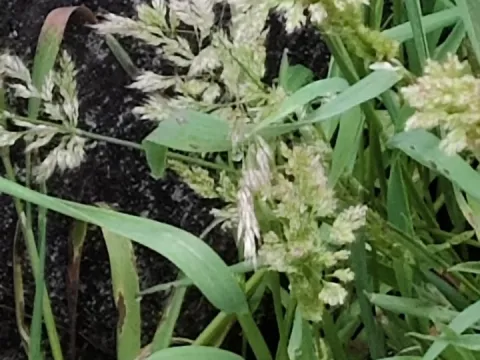
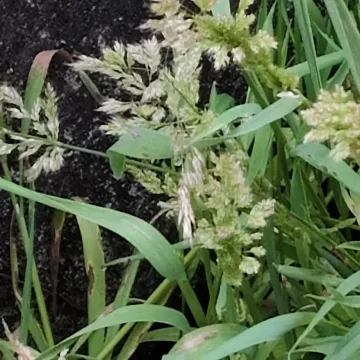
Botanically, Polypogon fugax is characterized by its slender, erect, or ascending culms, which can reach up to 60 cm in height. Its inflorescence is a dense, paniculate spike that transitions from green to a straw-like color as it matures. The species is aptly named for its tendency to shed its spikelets easily at maturity, a survival strategy that facilitates seed dispersal via water or physical movement.
Regarding cultivation and management, the species thrives in moist to waterlogged soil conditions. Agronomic control relies heavily on moisture management, land leveling, and the application of pre- or post-emergence herbicides. Because it acts as a competitor, proper field sanitation and crop rotation are essential for minimizing its impact on agricultural productivity.
- Adaptability to saturated soil environments.
- High reproductive output through rapid seed shedding.
- Competitive nature in rice and wet-land farming systems.
- Requirement for systematic mechanical and chemical control strategies.
The economic impact of Polypogon fugax is primarily negative, as it can significantly reduce the yields of irrigated crops by overcrowding and depleting soil fertility. While it lacks substantial direct usage as a primary crop, understanding its lifecycle is crucial for integrated pest management programs aimed at maintaining healthy agricultural plots and protecting crop yields from invasive grass species.
Photo gallery