Annual beard grass
Polypogon monspeliensis
Description
Annual beard grass (lat. Polypogon monspeliensis) is an annual herbaceous plant belonging to the Poaceae family. In agronomy, it is widely recognized for its ecological adaptability, often appearing as a persistent weed in irrigated agricultural systems and disturbed moist habitats.
Originating from the Mediterranean basin, this grass has successfully naturalized across various temperate and subtropical regions globally. It is commonly found in wetlands, salt marshes, and agricultural fields where soil moisture is high, demonstrating significant tolerance to saline conditions that many other species cannot withstand.
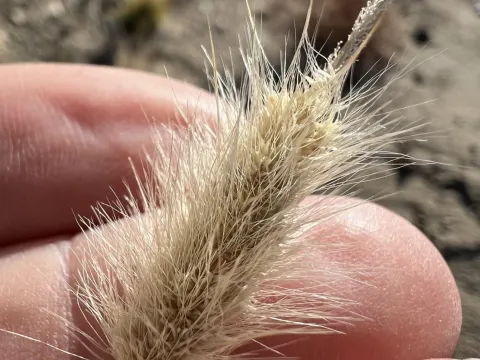
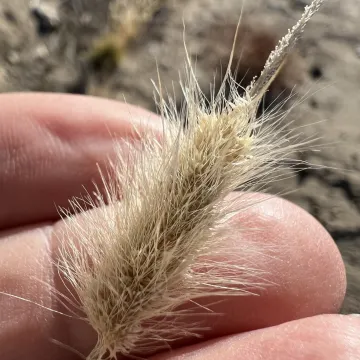
Botanically, the species is defined by its compact, spike-like panicle, which creates a distinct "bearded" appearance due to the long awns on its glumes. The stems typically range from 10 to 60 cm in height, and the foliage is generally soft, making it easily distinguishable from coarser grass species found in the same environment.
Regarding cultivation and soil requirements, Polypogon monspeliensis thrives in heavy, waterlogged soils. While it is rarely intentionally cultivated, its ability to produce vast quantities of seeds requires strict field management, including the use of competitive cover crops and targeted chemical interventions to prevent seed bank buildup in the soil.
In terms of agricultural utility, it serves as a opportunistic forage grass in saline pastures where more palatable species fail to establish. However, its primary impact on the industry is negative; it is considered a significant weed in rice paddies and irrigated orchards, competing with crops for water and mineral nutrients.
- Requires moisture-rich, often saline environments
- High seed production and rapid colonization
- Susceptible to standard cereal pathogens like rust
- Management involves tillage and specific herbicides
The plant is susceptible to common cereal diseases, including various types of leaf rust and smut fungi. In terms of biological threats, insect pests such as aphids and thrips frequently inhabit the plant, which necessitates integrated pest management (IPM) strategies to ensure these pests do not migrate to primary cash crops.
Photo gallery