Haircap moss
Polytrichum piliferum
Description
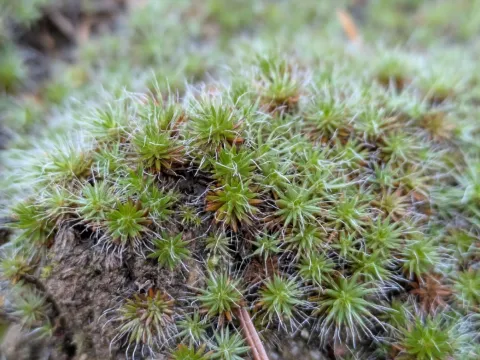
Haircap moss (Polytrichum piliferum) is a perennial moss species belonging to the Polytrichaceae family. While not a traditional commercial crop, it is a significant botanical subject often utilized in ecological research and sustainable land management projects due to its unique biological resilience.
This species is widely distributed across the Northern Hemisphere, inhabiting diverse environments from arctic tundras to temperate forests. It is particularly adept at colonizing nutrient-poor, sandy, and stony soils where vascular plants struggle to establish themselves, serving as a pioneer species in ecological succession.
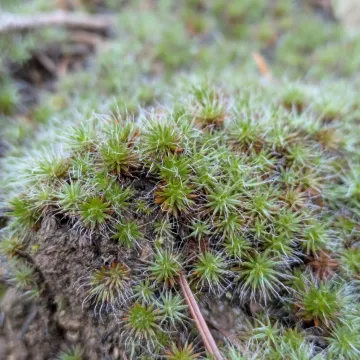
Botanically, it is characterized by dense tufts or mats of stems typically reaching 1 to 3 centimeters in height. The leaves are distinctive, featuring a long, hyaline (clear) hair-like tip, which provides the species with its specific epithet. These hairs aid in water retention and reflection of excess light.
Regarding environmental requirements, the plant prefers well-drained, acidic substrates and high light exposure. In terms of field management, it does not require conventional fertilization or irrigation, as it is highly efficient at extracting limited resources from raw mineral substrates.
Its primary utility lies in soil stabilization and bio-engineering, as it effectively binds loose particles and prepares the soil for subsequent colonization by other species. Due to its slow growth rate and specialized biology, it is largely unaffected by common agricultural pathogens and pests that typically threaten cultivated monocultures.
Photo gallery