Portulacaria namaquensis
Portulacaria namaquensis
Description
Portulacaria namaquensis is a perennial succulent shrub belonging to the Didiereaceae family. Known for its distinct segmentation and xerophytic adaptations, this species stands out as a unique botanical specimen compared to other members of the genus. It is highly valued in botanical research and specialized horticulture for its evolutionary resilience in arid environments.
The plant originates from the arid regions of Namibia and South Africa, specifically within the succulent Karoo biome. Its natural habitat consists of rocky, well-drained slopes where it survives under intense solar radiation and minimal annual precipitation. These environmental pressures have driven the plant to evolve its characteristic succulent storage tissues.
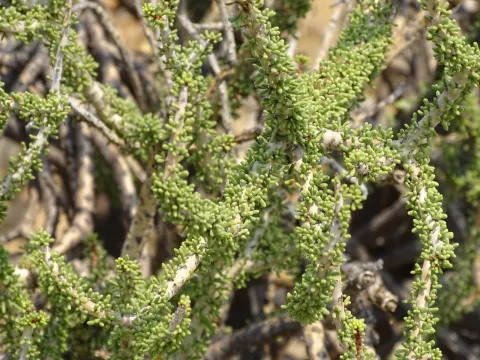
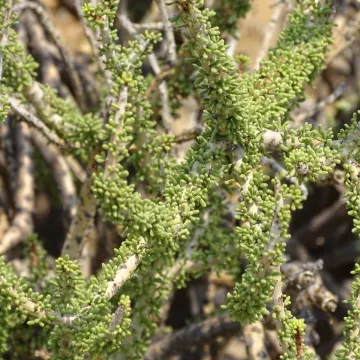
Botanically, this species is defined by its small, grey-green leaves arranged along segmented stems. Unlike its relative Portulacaria afra, it features a more delicate and intricate growth habit. Its metabolic processes are adapted for water retention and efficient energy storage, contributing to its extremely slow rate of growth, which is a hallmark of this specific botanical entity.
Agricultural and horticultural cultivation requires a precise approach. The substrate must be inorganic and fast-draining, typically consisting of pumice, grit, and sandy loam. Proper irrigation is critical; watering should only occur during the active growing season and only when the substrate is entirely dry. Overwatering is the most common cause of root rot in this species, necessitating strict adherence to dry-winter dormancy protocols.
- Excellent drainage system requirements.
- Full-spectrum sunlight exposure.
- Minimal fertilization during growth.
- Prevention of mealybug and scale infestations.
The primary utility of Portulacaria namaquensis lies in ornamental horticulture and the conservation of rare xerophytic flora. It is frequently sought after by nurserymen and collectors who focus on slow-growing, drought-tolerant plants. Due to its environmental requirements and slow maturity, it is categorized as a specialty culture rather than a mass-market agricultural product.
Photo gallery