Pourthiaea arguta
Pourthiaea arguta
Description
Pourthiaea arguta is a deciduous shrub or small tree belonging to the Rosaceae family. Known for its aesthetic appeal, this species is increasingly valued in professional horticulture for its elegant growth habit and the seasonal transformation of its foliage and fruit, making it a sophisticated choice for gardeners.
The plant originates from the diverse ecosystems of East and Southeast Asia, specifically ranging from the Himalayan foothills to various Chinese provinces. This geographical background dictates its preference for temperate to subtropical climates where it can thrive in its natural, slightly elevated, and well-drained habitat.
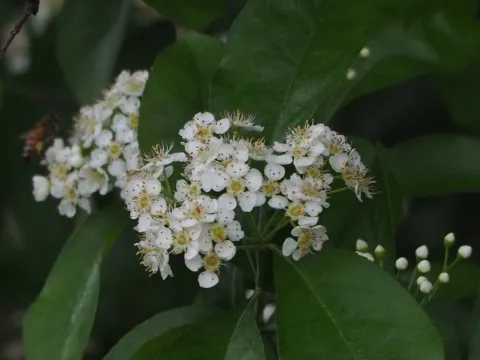
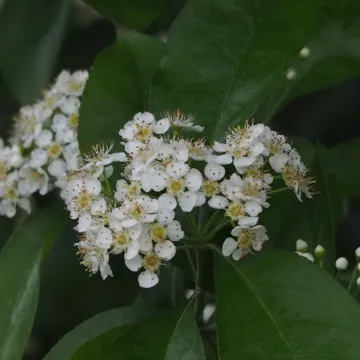
From a botanical standpoint, Pourthiaea arguta is characterized by its distinctively serrated leaves and corymbose inflorescences. The flowers are typical of the family, displaying a classic symmetry, followed by the development of small, often colorful pomes that persist well into the autumn season, providing ornamental interest.
Cultivation requires attention to soil composition, as the species demands fertile, well-drained, and slightly acidic to neutral substrates. Regarding climate, it prefers regions with stable moisture levels and adequate sunlight exposure, though it benefits from light shade during the intense heat of the afternoon in warmer zones.
The plant serves primarily as an ornamental specimen in landscaping, prized for its structural form and seasonal interest. Like many members of the Rosaceae family, it is susceptible to typical pests such as aphids and fungal issues like powdery mildew, which require a proactive integrated pest management strategy to ensure the health of the plant.
- Requires deep, well-drained loamy soil.
- Benefits from annual light pruning to maintain shape.
- Regular irrigation is critical during the establishment phase.
- Displays excellent autumn foliage colors.
- Suitable for temperate climate garden zones.
Photo gallery