
Pourthiaea villosa
Pourthiaea villosa
Description
Pourthiaea villosa is a perennial deciduous shrub or small tree belonging to the Rosaceae family. Often associated with the genus Photinia in historical taxonomy, this plant is now recognized as a distinct species. It is highly regarded by horticulturists for its elegant aesthetic appeal and structural versatility in various garden settings.
The native range of this species extends across East Asia, including regions in China, Korea, and Japan. It typically grows in forest margins, mountain slopes, and thickets. Over the years, it has been introduced to temperate regions globally, where it serves as a valuable specimen for ornamental landscaping due to its resilience and seasonal visual interest.
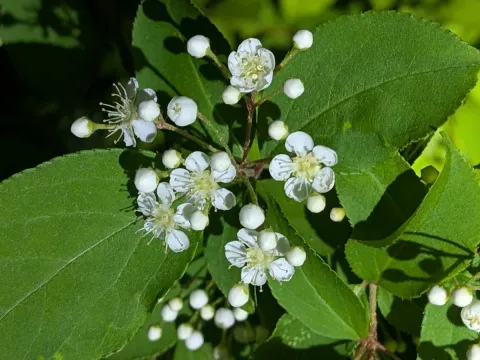
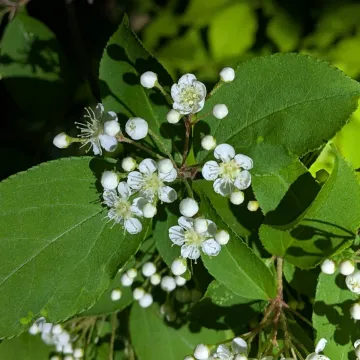
Botanically, the plant is characterized by its elliptical leaves, which feature a fine pubescence on the underside. During late spring, it produces clusters of white flowers that add a delicate touch to the landscape. By autumn, the shrub displays bright red pomaceous fruits, which often persist well into the winter months, providing significant ornamental value when other plants have entered dormancy.
For optimal growth, Pourthiaea villosa requires a position in full sun to partial shade with well-drained, fertile soil. The species is notably hardy and shows good tolerance to moderate drought conditions once established. Agrotechnical management is relatively straightforward, primarily involving regular pruning to maintain a desirable shape and periodic fertilization to support vigorous growth.
- Plant in well-draining, slightly acidic to neutral soil.
- Provide consistent moisture during the first year of establishment.
- Apply mulch to retain soil moisture and suppress weeds.
- Prune annually to encourage bushier growth and flowering.
- Monitor for common rose-family pests such as aphids.
In terms of usage, the plant is mainly employed in parks and residential gardens as an ornamental shrub or small feature tree. It is susceptible to common diseases found in the Rosaceae family, such as powdery mildew, especially in humid or poorly ventilated environments. Proper site selection and sanitation practices are essential to keep the plant healthy and productive.
Photo gallery