Premna microphylla
Premna microphylla
Description
Premna microphylla is a perennial shrub or small tree belonging to the Lamiaceae family. It is increasingly recognized in agricultural research for its biochemical properties, which make it a valuable crop for botanical extracts and traditional herbal medicine practices in Asian regions.
The plant originates from the subtropical and tropical regions of East Asia, including parts of China, Japan, and Taiwan. It typically thrives in humid environments and is often found in forest margins or coastal areas. Its ability to adapt to diverse ecological conditions makes it a candidate for cultivation in similar temperate-to-warm climates.
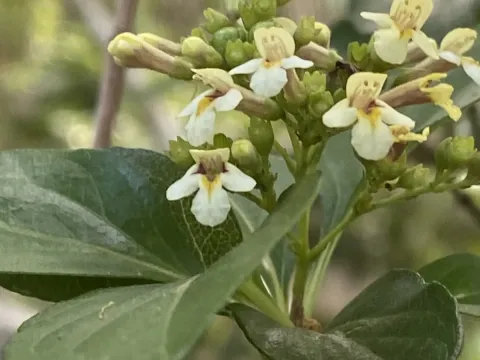
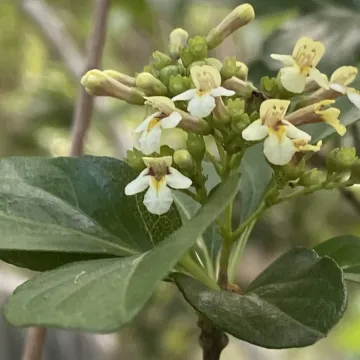
Botanically, Premna microphylla is characterized by its small, opposite leaves with serrated margins, which give the plant its distinct appearance. The stems are semi-woody and tend to branch densely. During the flowering period, it produces small, clustered inflorescences that later develop into small, fleshy drupes containing seeds for propagation.
For successful cultivation, the plant requires well-drained soil rich in organic matter. It thrives best in locations with partial to full sunlight and requires consistent moisture, especially during the active growing season. Agricultural management practices should focus on soil acidity adjustment, aiming for slightly acidic conditions, and regular monitoring of humidity levels.
Economic and household usage includes:
- Commercial production of extracts for the pharmaceutical and nutraceutical industries.
- The preparation of traditional "leaf tofu" or herbal jellies which are popular in some Asian culinary traditions.
- Ornamental horticulture, particularly in bonsai cultivation where the species is valued for its hardiness and small leaf size.
The plant is susceptible to common pests such as spider mites and scale insects, particularly when grown in greenhouse conditions with poor air circulation. Foliar fungal diseases can also occur if the foliage remains wet for extended periods. Implementing an effective IPM (Integrated Pest Management) strategy, including thinning out dense growth and using appropriate biocontrols, is essential for healthy crop yields.
Photo gallery