Psiadia arabica
Psiadia arabica
Description
Psiadia arabica is a perennial shrub species belonging to the Asteraceae family. This resilient plant is native to the arid environments of the Arabian Peninsula, where it serves as a critical biological component in maintaining the stability of fragile ecosystems under extreme heat and low precipitation.
The geographic range of this species is primarily focused on the rugged, rocky terrain of the Middle East. It has evolved to thrive in areas where limited soil development and harsh meteorological conditions make the survival of conventional agricultural crops nearly impossible, marking it as a candidate for specialized arid-zone cultivation.
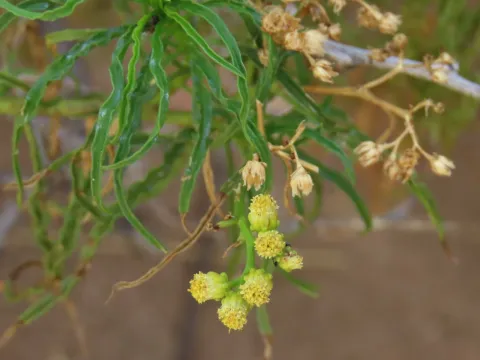
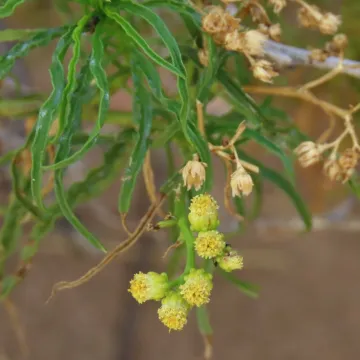
Botanically, the plant is characterized by its woody base, densely branched structure, and small, often trichome-covered leaves that protect the plant against intense evaporation. The inflorescences are typical of the daisy family, appearing as small, composite flower heads that bloom opportunistically following rare rainfall events.
Cultivation requirements for Psiadia arabica are centered around excellent drainage and high levels of direct solar radiation. The plant does not tolerate waterlogging, which often leads to root fungal diseases. Soil amendments are rarely necessary, as the plant is evolved for nutrient-poor, sandy or calcareous substrate conditions.
In terms of economic utility, the plant is valued for its traditional medicinal properties, often used in local preparations to treat inflammation or skin issues. Furthermore, it serves as a browse plant for livestock, specifically camels and goats, providing essential nutrition in environments where forage availability is seasonally scarce.
- Extreme drought tolerance
- Adaptability to saline and sandy soils
- Potential for pharmaceutical research
- Essential forage for desert pastoralism
Photo gallery