Psychotria ruelliaefolia
Psychotria ruelliaefolia
Description
Psychotria ruelliaefolia is a perennial evergreen shrub belonging to the Rubiaceae family. As a member of the genus Psychotria, it is well-regarded by botanists for its specific leaf structure and its position within one of the largest families of flowering plants in the tropics.
The plant originates from the tropical rainforests of Central and South America. In its native habitat, it thrives in the shaded understory, benefiting from the humid environment and the rich, decomposing organic matter found on the forest floor. Cultivation of this species generally requires mimicking these humid, stable conditions.
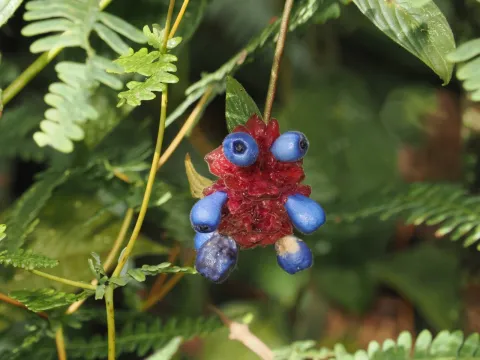
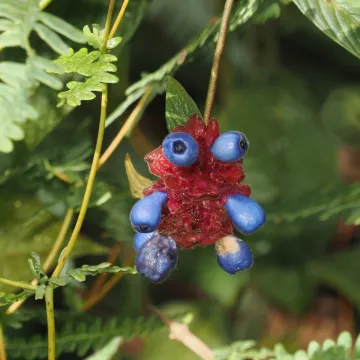
Botanically, the species is defined by its simple, opposite leaves that display a striking resemblance to some members of the Ruellia genus, which defines its specific epithet. The plant typically produces small, clustered flowers. Its root system is relatively shallow, which makes it sensitive to soil compaction and waterlogging.
The ideal growing conditions include diffused light, as direct tropical sunlight can scorch the foliage. The soil should be acidic, nutrient-dense, and highly permeable to ensure proper aeration for the roots. Maintenance involves moderate watering and avoiding cold drafts, as the plant lacks tolerance for significant temperature drops.
In terms of agricultural and research utility, this species is often studied for its phytochemical profile. Typical health challenges in cultivation include fungal infections triggered by stagnant air or excess moisture. Common pests that impact this plant in greenhouse settings include scale insects and spider mites, which require consistent monitoring and biological control methods.
Photo gallery