
Psychotria zombamontana
Psychotria zombamontana
Description
Psychotria zombamontana is a distinctive plant species within the Rubiaceae family. Primarily known for its occurrence in the Afromontane regions, this species represents the botanical diversity of the African tropical forest understory, requiring specific environmental conditions to thrive.
The plant originates from the mountainous regions of Malawi, specifically identified in the Zomba mountain area. Its natural habitat is characterized by high precipitation, constant humidity, and nutrient-rich volcanic or forest soils, which have shaped its physiological adaptations over time.
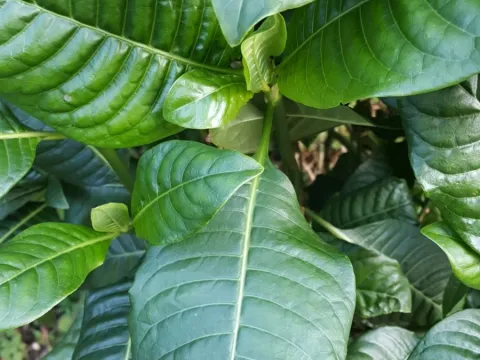
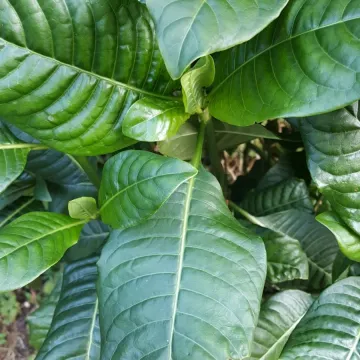
Botanically, this species is defined by its evergreen growth habit, featuring glossy, elliptical leaves and small, cluster-borne flowers. The plant exhibits a sympodial growth pattern typical of many members of the genus Psychotria, where branch development is dictated by apical dominance and periodic flowering cycles.
Regarding climate and soil requirements, Psychotria zombamontana demands a controlled environment. It is best suited for greenhouse or specialized tropical garden conditions where ambient temperatures remain between 20°C and 25°C. The soil must be acidic to neutral, highly porous, and rich in organic matter to prevent root hypoxia.
Agricultural management primarily focuses on maintaining a delicate balance of moisture and protection from intense light. Pathogen control is essential, as the species is susceptible to standard tropical greenhouse pests, including scale insects and mites. Its current economic value is largely academic, focusing on conservation and botanical study rather than industrial agricultural output.
Photo gallery