Pterocephalus brevis
Pterocephalus brevis
Description
Pterocephalus brevis is a resilient perennial plant belonging to the Caprifoliaceae family. It is widely recognized in horticulture for its prostrate, cushion-forming habit, making it an ideal candidate for rock gardens, dry slopes, and xeriscaping projects where low-maintenance and aesthetic ground cover is required.
Originating from the mountainous regions of the Middle East and Mediterranean, this plant has adapted to survive in thin, rocky, and well-drained soils. Its evolutionary background in high-altitude environments makes it exceptionally hardy and capable of thriving in locations with poor soil fertility.
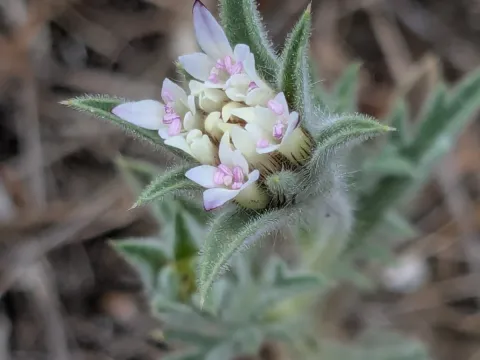
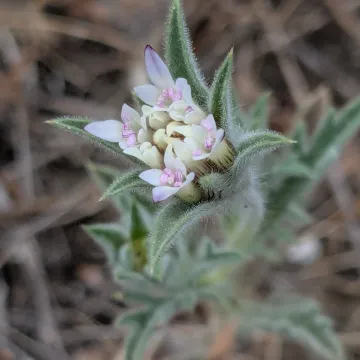
Botanically, the plant is characterized by pinnate, greyish-green foliage that maintains its visual appeal throughout the growing season. The flowers appear in dense, terminal heads, typically displaying soft shades of pink or lilac. A notable feature is the persistent calyx that transforms into a feathery structure after blooming, providing long-lasting ornamental interest.
To ensure optimal growth, gardeners must provide Pterocephalus brevis with full sun exposure and a gritty, alkaline-to-neutral substrate. Proper drainage is the most critical factor for success, as the plant is highly susceptible to root rot if the roots are left in stagnant water for prolonged periods.
Maintenance practices are relatively simple, involving minimal fertilization and moderate watering, primarily during the establishment phase or extreme drought. While generally resistant to major pests, the plant should be monitored for aphids in the spring. Ensuring good air circulation around the foliage will help prevent fungal issues.
Photo gallery