
Pterolepis glomerata
Pterolepis glomerata
Description
Pterolepis glomerata is an herbaceous perennial plant belonging to the Melastomataceae family. In the world of botany and horticulture, this species is highly regarded for its distinctive architectural structure and its ability to form dense, compact clusters, making it an excellent candidate for both mass planting and individual display.
Native to the humid tropical regions of South America, particularly Brazil, this plant thrives in environments that provide consistent moisture and partial shade. Its natural distribution is limited to tropical and subtropical zones, where temperature stability is a key factor for its survival. Outside of these regions, it is primarily managed in greenhouses or as a protected indoor ornamental.
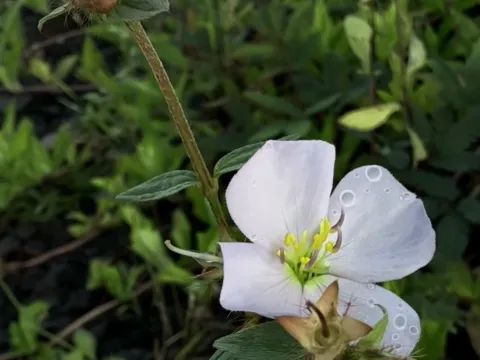
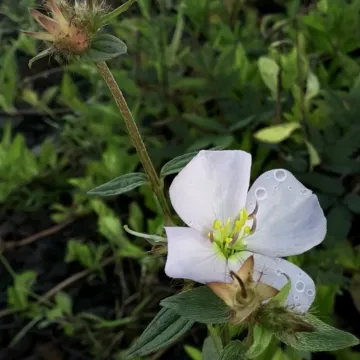
Botanically, the plant features erect stems and opposite, lanceolate leaves characterized by prominent longitudinal venation, which is a hallmark of the Melastomataceae family. Its flowering phase is marked by the production of vibrant, dense clusters of flowers. These blooms often exhibit striking pink to purple hues, providing significant aesthetic value during the active growing season.
Cultivation requirements for this species are specific, demanding a nutrient-rich, well-draining soil medium that can retain adequate moisture without becoming waterlogged. The optimal temperature range for growth is between 20 and 28 degrees Celsius. Humidity control is paramount; in cultivation, maintaining air moisture is as important as soil hydration to ensure the plant remains vigorous and free from stress.
The primary use of Pterolepis glomerata is decorative, serving as a staple in tropical landscape design, botanical conservatory collections, and container gardening. While generally robust, the plant is susceptible to common greenhouse pests such as spider mites, especially if the ambient humidity is too low. Proper management of the growing environment and early monitoring for fungal pathogens are essential for successful long-term cultivation.
Photo gallery